
A microgrid without control is not an independent system. It's an unmanaged risk.
Batteries charging incorrectly, peak loads silently increasing, solar energy not being optimally utilized.
You want to keep growing, electrifying, and staying compliant, but without proper management. You lack insight into your peaks, exceed your connection capacity, and miss out on energy cost savings. The challenges:

You're growing, but your infrastructure isn't keeping up. Without proper management, you'll hit limits on grid capacity, charging capacity, and storage before achieving your electrification goals.

Storage is a means, not an end. If you don't actively deploy your battery to stay within your connection limits while minimizing electricity costs, you'll pay twice: in energy and in capital.

Solar panels, batteries, charging points, and the grid operate with each of their own logic. Without central coordination, they move towards different directions, causing you to lose the benefits that integration promises.

Every component of your microgrid generates data, but if it's not aligned, you not only lose control over your system but also miss the reporting required by CSRD and GACS.

The grid imposes constantly changing demands. Without real-time insight into grid load and tariffs, you'll make decisions based on incorrect information, costing you both money and reliability.
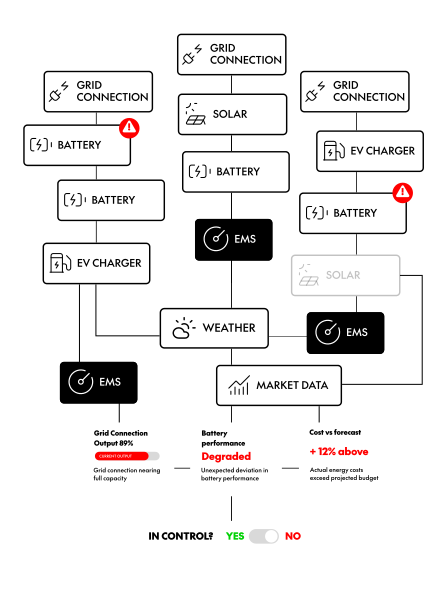
What seems logical and simple on paper
is extraordinarily complex in reality.
You ar not just monitoring the energy system.
You are optimising a system that does not control itself.
You're not always sure if you're in control
A microgrid under your control is the result of continuous management. Without active control, it is only a matter of time before the balance is disrupted.
You make decisions based on incomplete data
A microgrid continuously generates data, but it is fragmented across systems that do not communicate with each other. Without a complete overview, there is no control, no optimization, and no foundation for CSRD or GACS reporting.
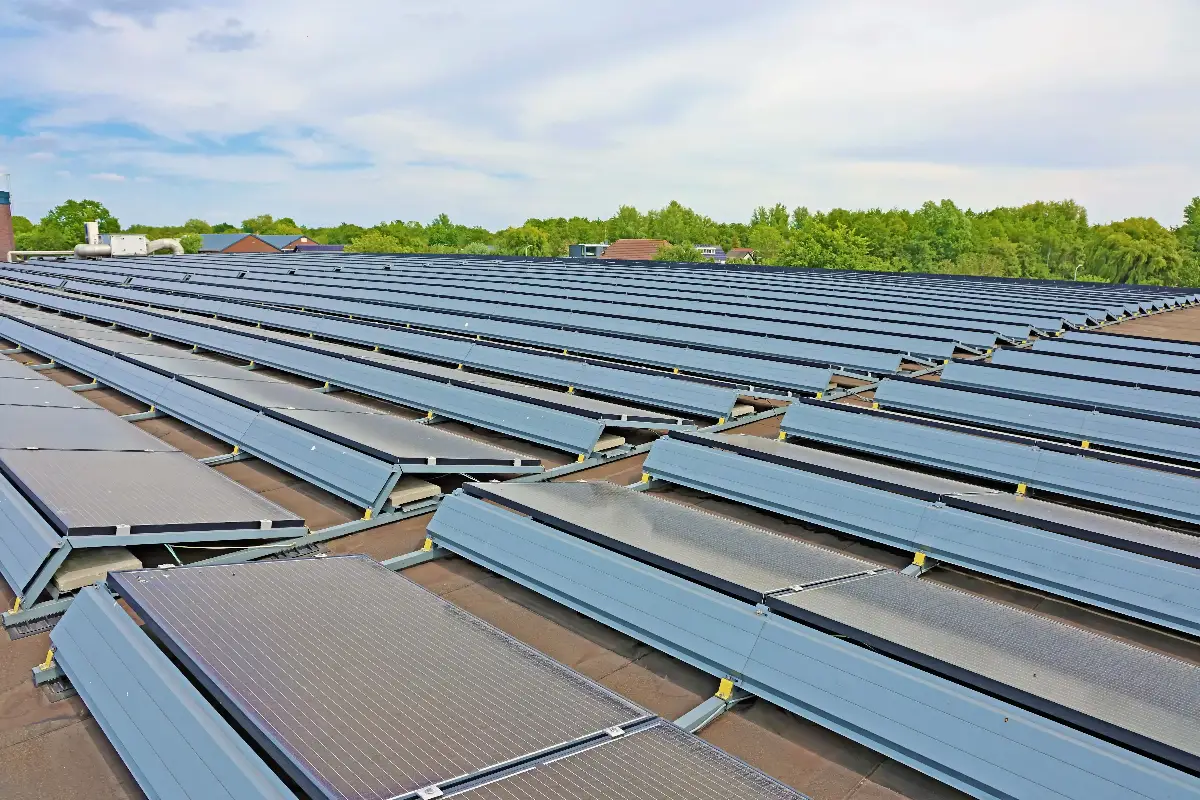
You balance between costs and reliability
Operating more cost-effectively while staying reliable may seem contradictory, but it doesn’t have to be. Without insight into the right trade-offs, you always choose the safe option, and ultimately pay the price for it.
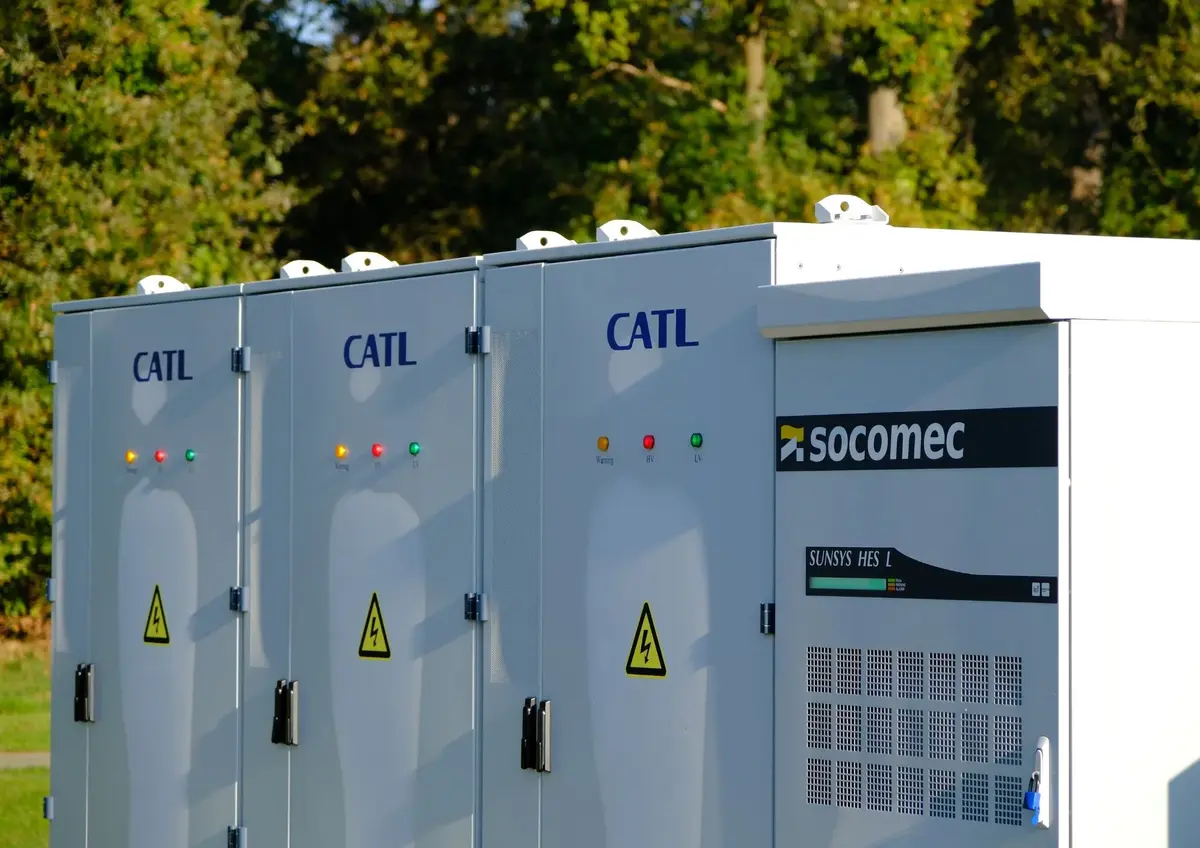
Every deviation requires immediate intervention
If something deviates from expectations, you need to know before it escalates. Without real-time monitoring, you are always reacting too late, costing you more than anticipated.

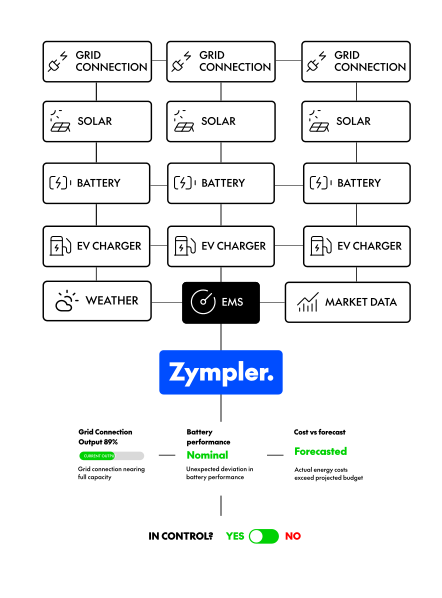
More assets don’t make a microgrid smarter. More data doesn’t either. What you need is intelligent coordination: one layer that connects, predicts, and controls the entire system.
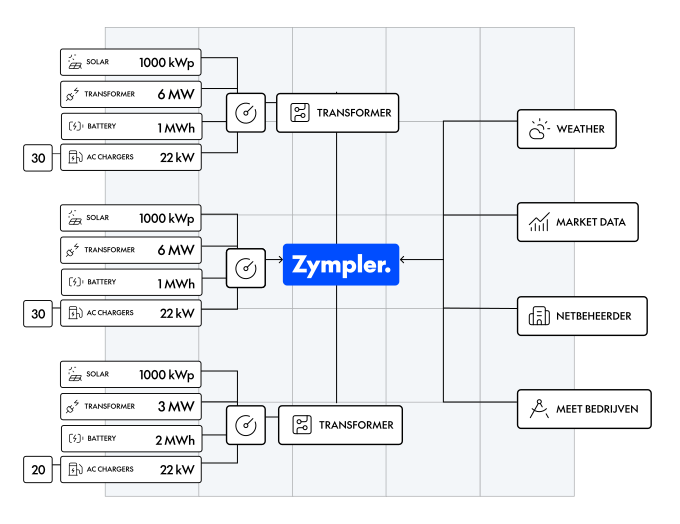

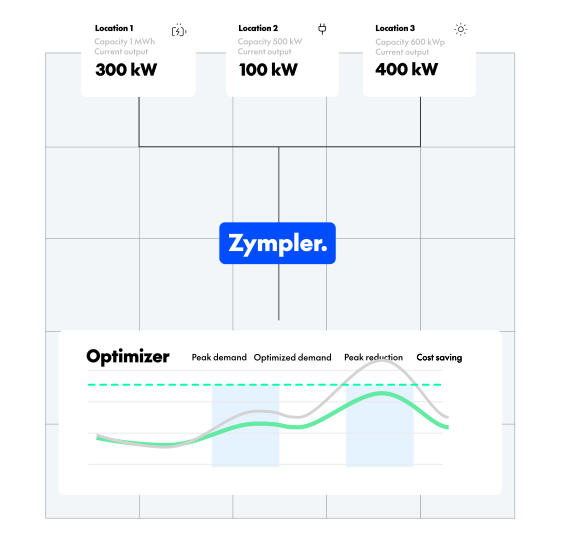
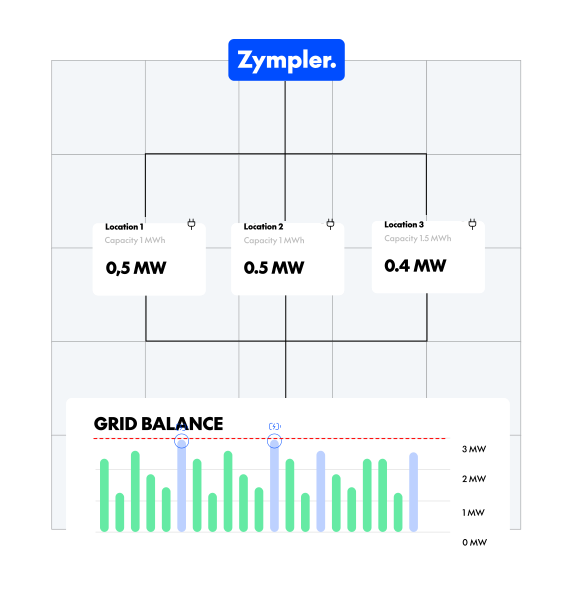
From fragmentation to controlled autonomy.
Control
Your microgrid operates reliably within its limits. Zympler continuously monitors the balance between generation, storage, and demand, keeps you within your grid connection limits, and provides the data required for CSRD and GACS reporting.
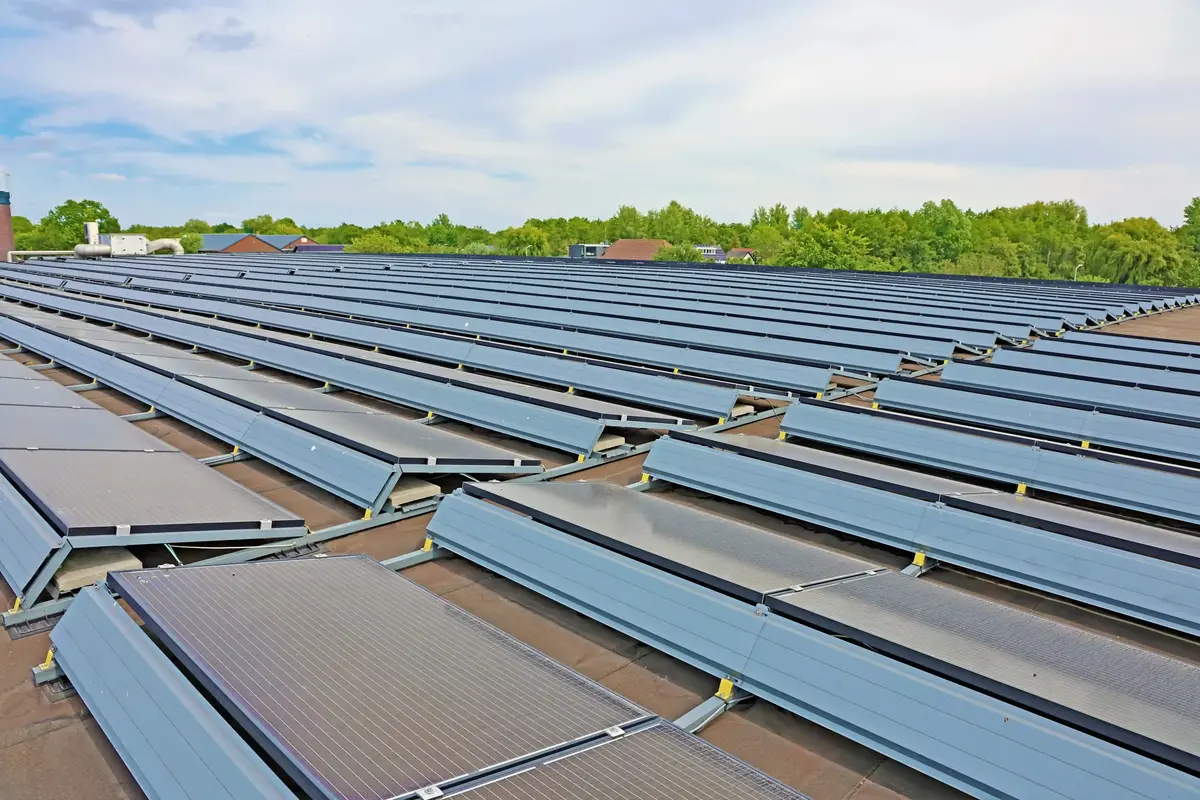
Lower costs
Smartly responding to price dynamics and self-generated energy. By charging, feeding energy back into the grid, or using stored energy at the right moments, Zympler minimizes energy costs without compromising reliability.
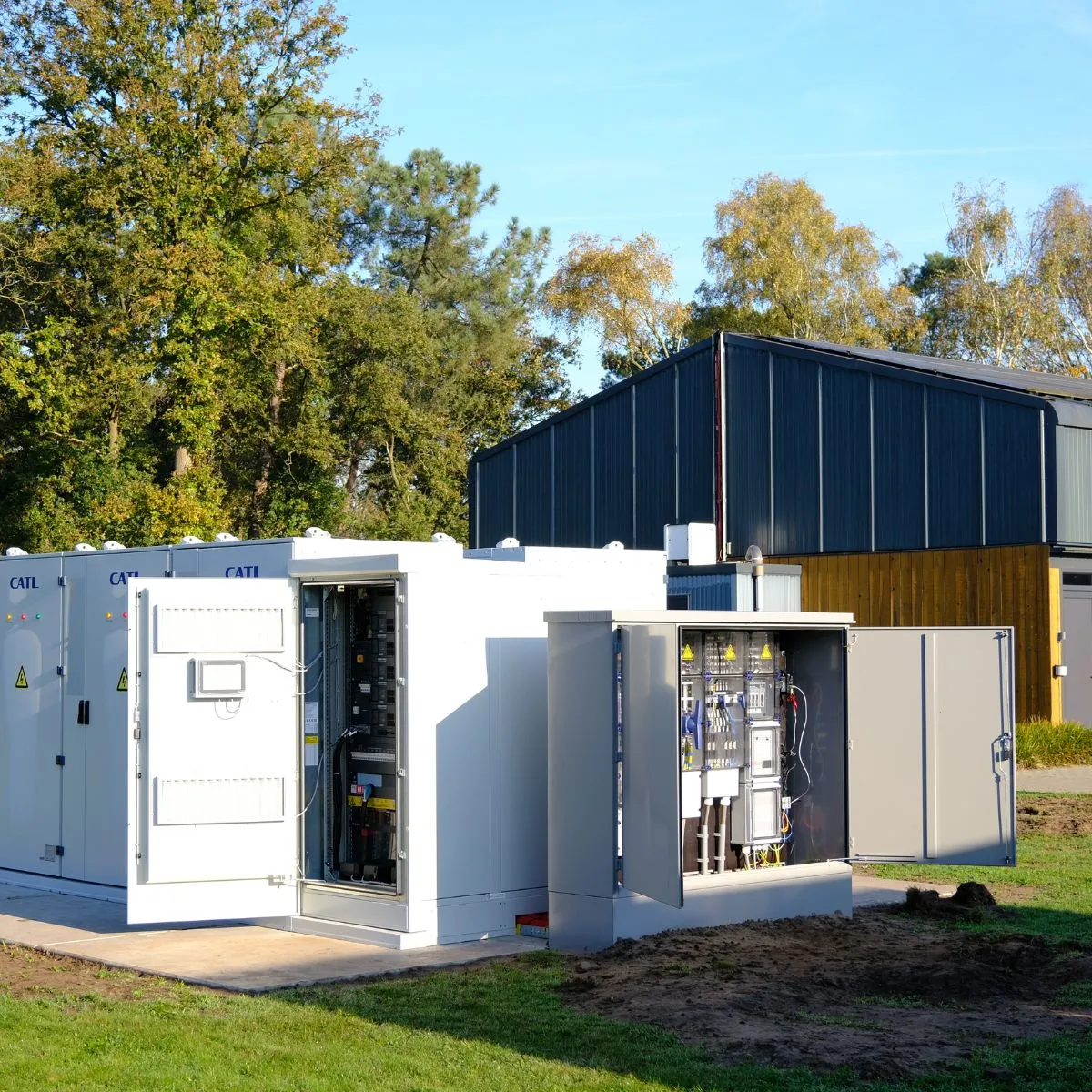
Forecastability
Less surprises, more reliability in performance. Zympler predicts and proactively adjusts, preventing deviations before they impact your operation.
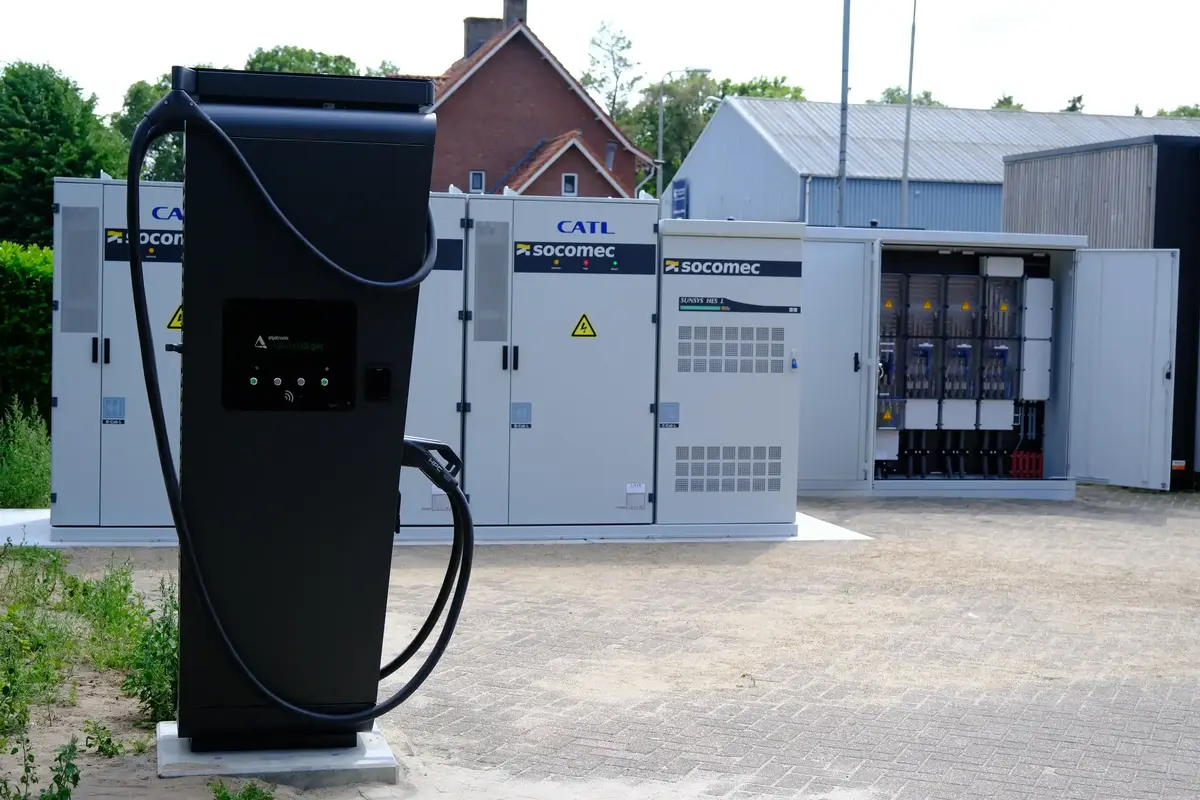
Maximum utilization
Generation and storage are utilized optimally. No wasted energy, no unused battery capacity. Zympler ensures every kilowatt-hour works for your operation.

Reliable operations
Energy is always available when you need it. Whether it’s peak demand, grid outages, or unexpected demand, Zympler keeps your system operational and ensures business continuity.
Scalable system
From one site to multiple locations, without exponential complexity. Zympler maximizes what you can get from your existing grid connection, enabling cost-effective expansion with the same level of control across every location.
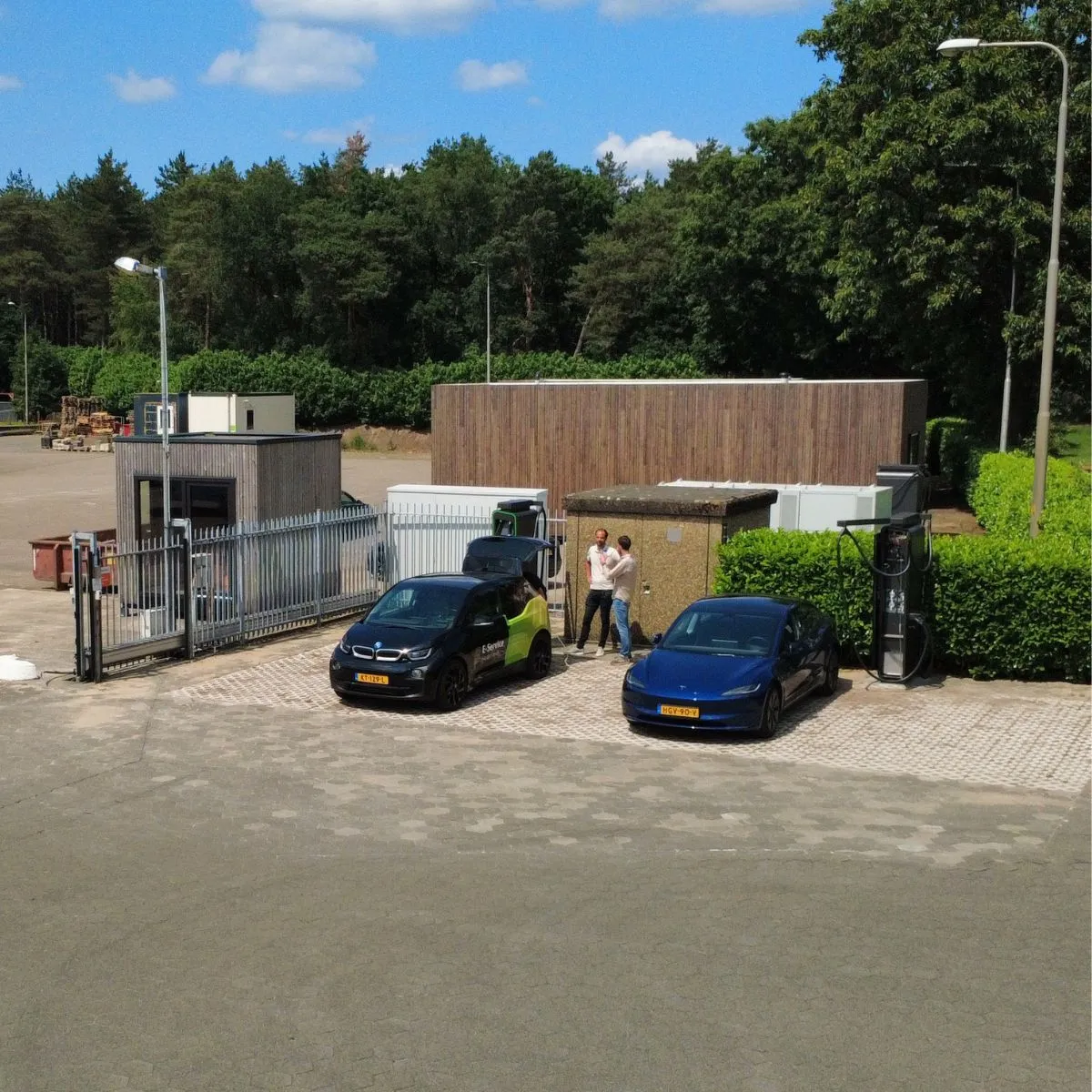
A microgrid is not a collection of assets.
It is an integrated system that needs central coordination.
Case: How we deliver value for TU Eindhoven

Want to know how you can grow despite grid congestion?
Grid congestion, peak loads, and unexpected outages. A microgrid makes your operation more resilient. Discover where your system is vulnerable and what it takes to operate with true energy independence.


