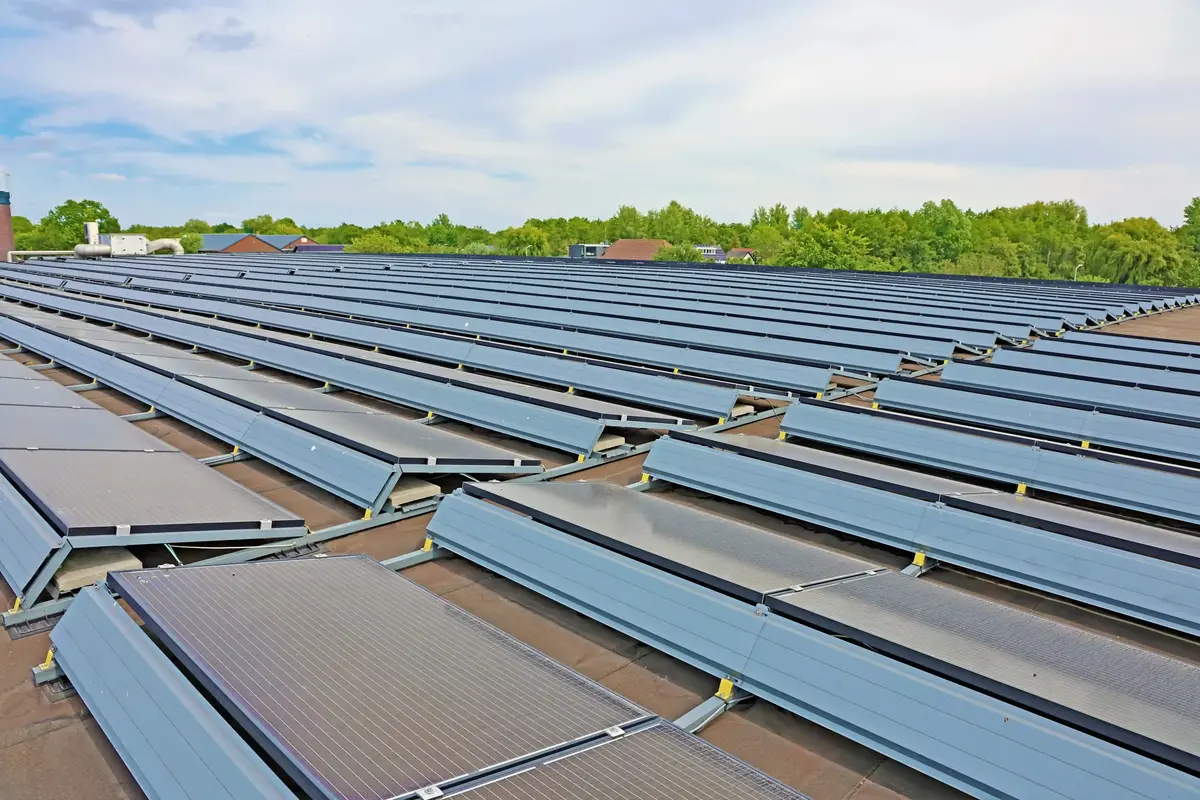
With so many opportunities, you'll want to design systems where you know for sure how they perform in reality.
As an EPC, you no longer build installations.
You build energy systems that work in operation. So no:

What works well on paper doesn't always work in practice. But because design and operations are separate worlds, that knowledge never reaches the next project phase.

By the time it becomes clear how an installation truly performs, you're already well into the next project. As a result, structural improvements are neglected.

Each location has its own approach, its own choices, and its own documentation. This costs time, increases the chance of errors, and makes scaling up unnecessarily difficult.

Charging points, energy management, grid connection, and backend systems all need to work together. Without a clear integration framework, the connection between these components becomes the project's biggest risk.


What you want to deliver is not an endpoint, but the beginning of operation.
You are responsible for the whole, but what do you need if you can't steer?
Real-world data instead of assumptions
Charging profiles and peak loads are often based on models. What customers actually do consistently differs from those assumptions.
Structural feedback from operations
What happens after delivery rarely makes it back to the drawing board. So you keep designing with the same blind spots.
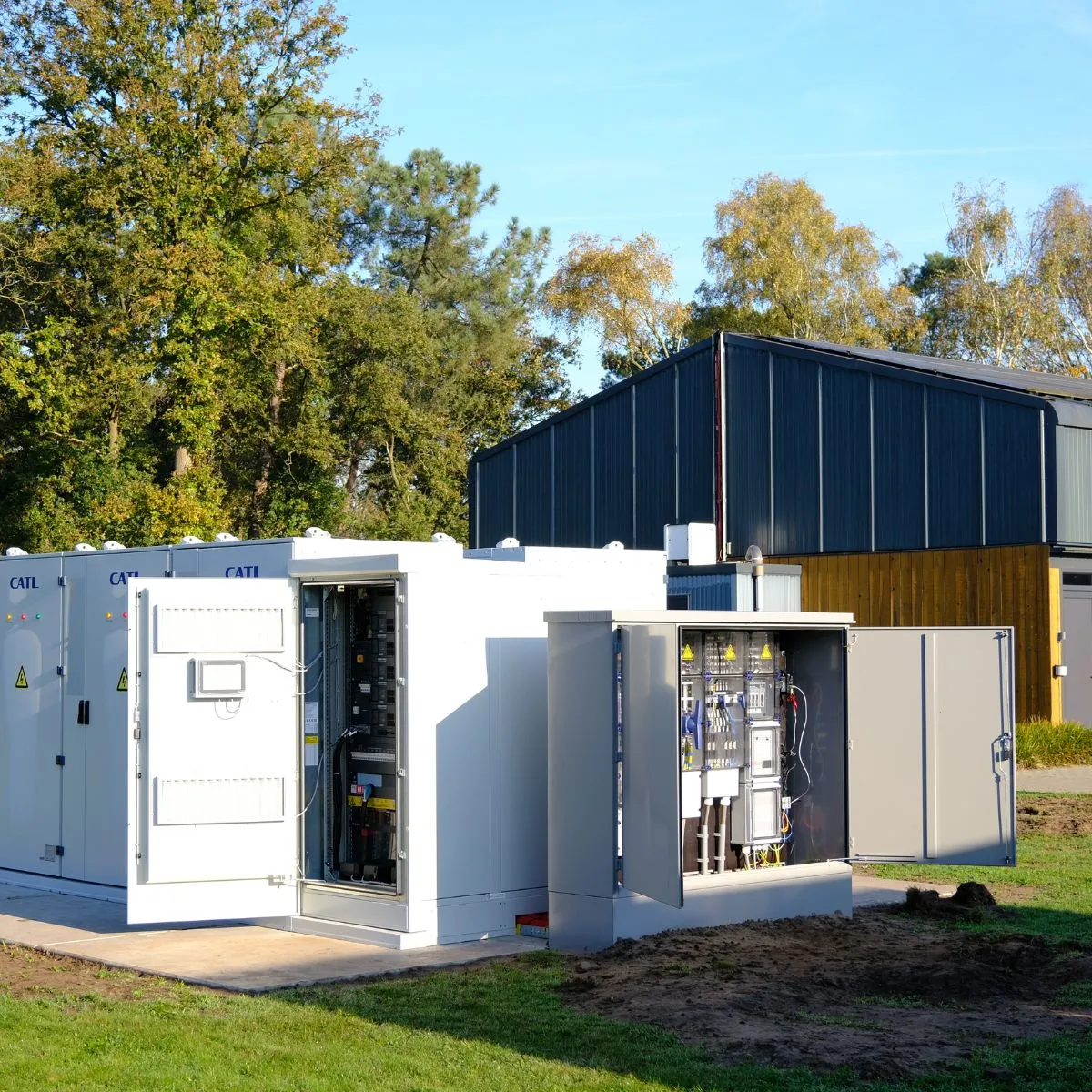
The best possible integrations
The weakest link is rarely the hardware. It is the integration between charging points, energy management, and the backend.
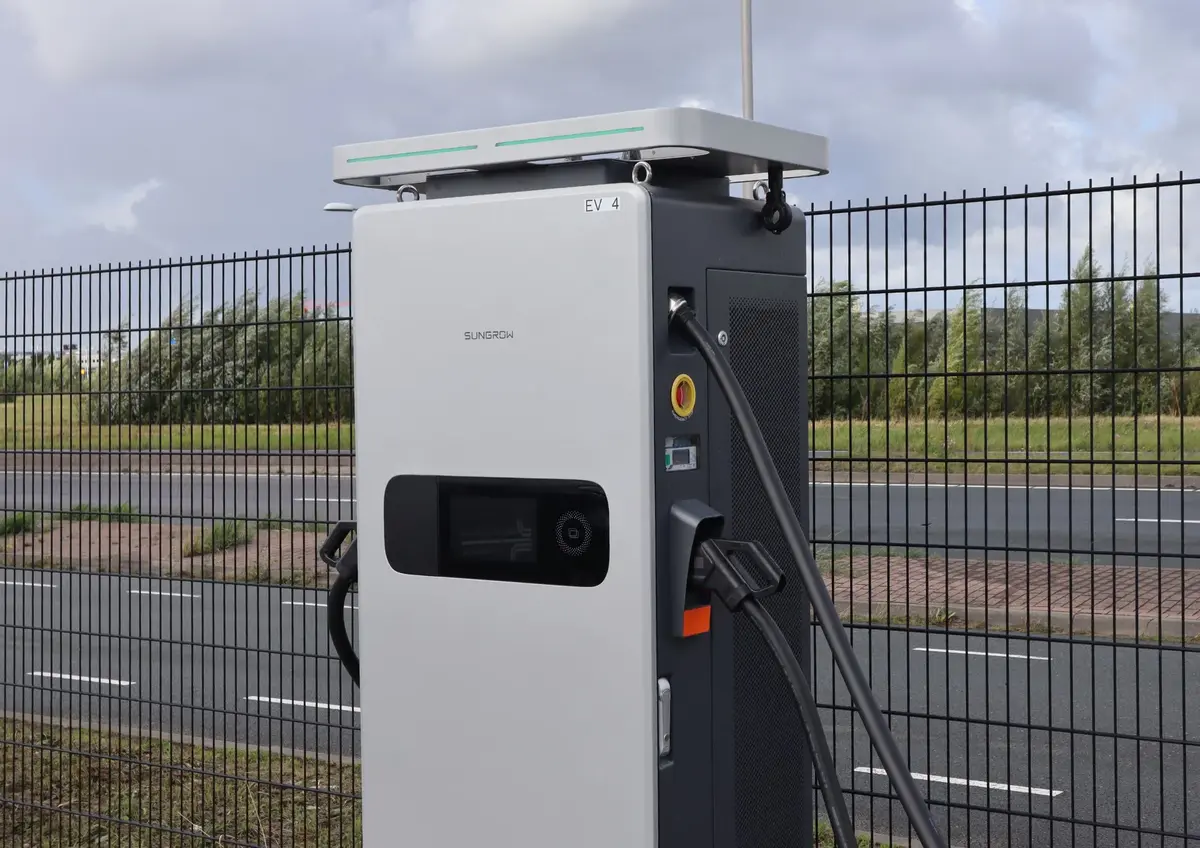
Standardisation, even when every site is unique
Without a standardized approach, every project starts from scratch. Running more projects at the same time does not make the process more efficient.
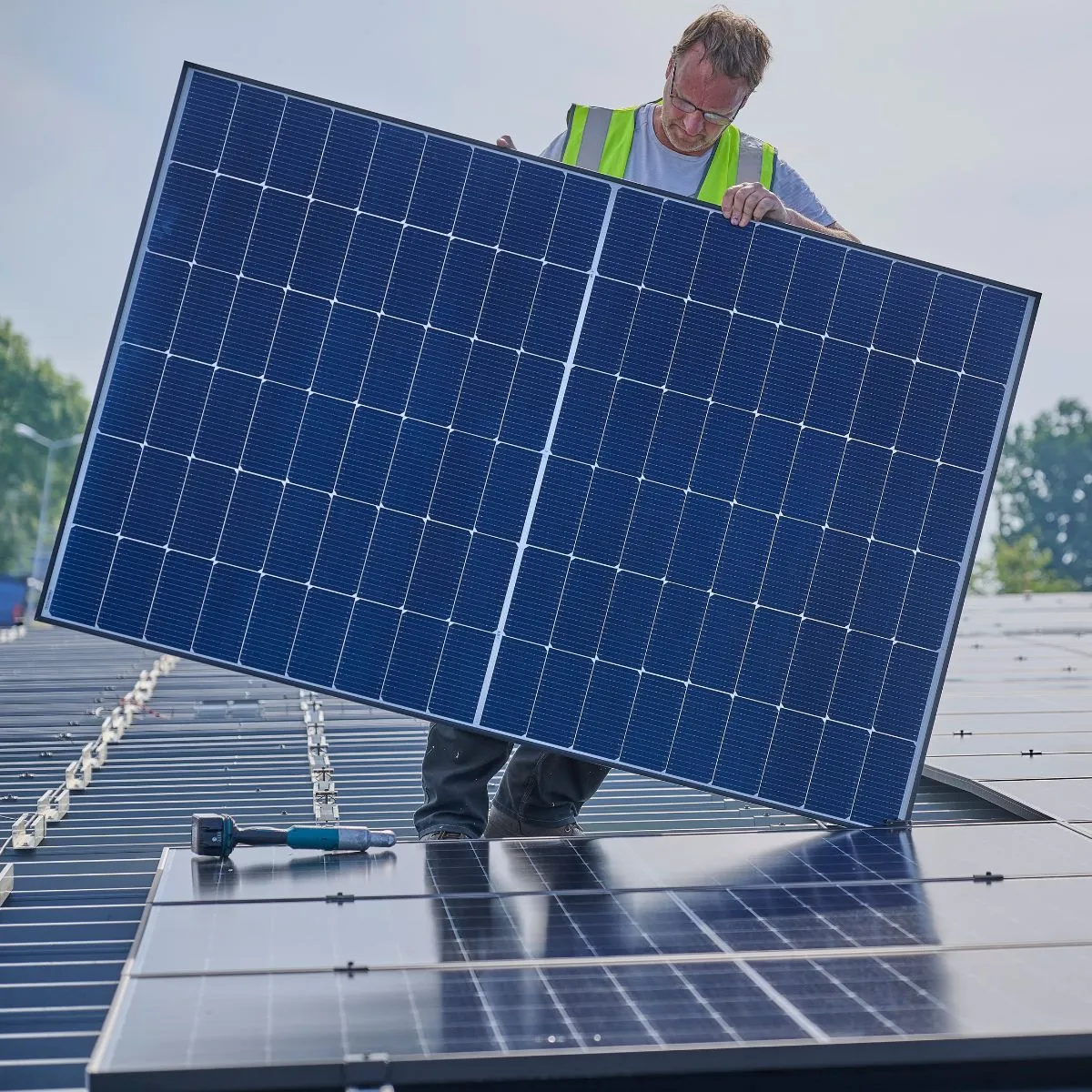
More influence and control
Customers expect you to guarantee that everything works. But without insight into performance after delivery, you are accountable for something you can no longer control.
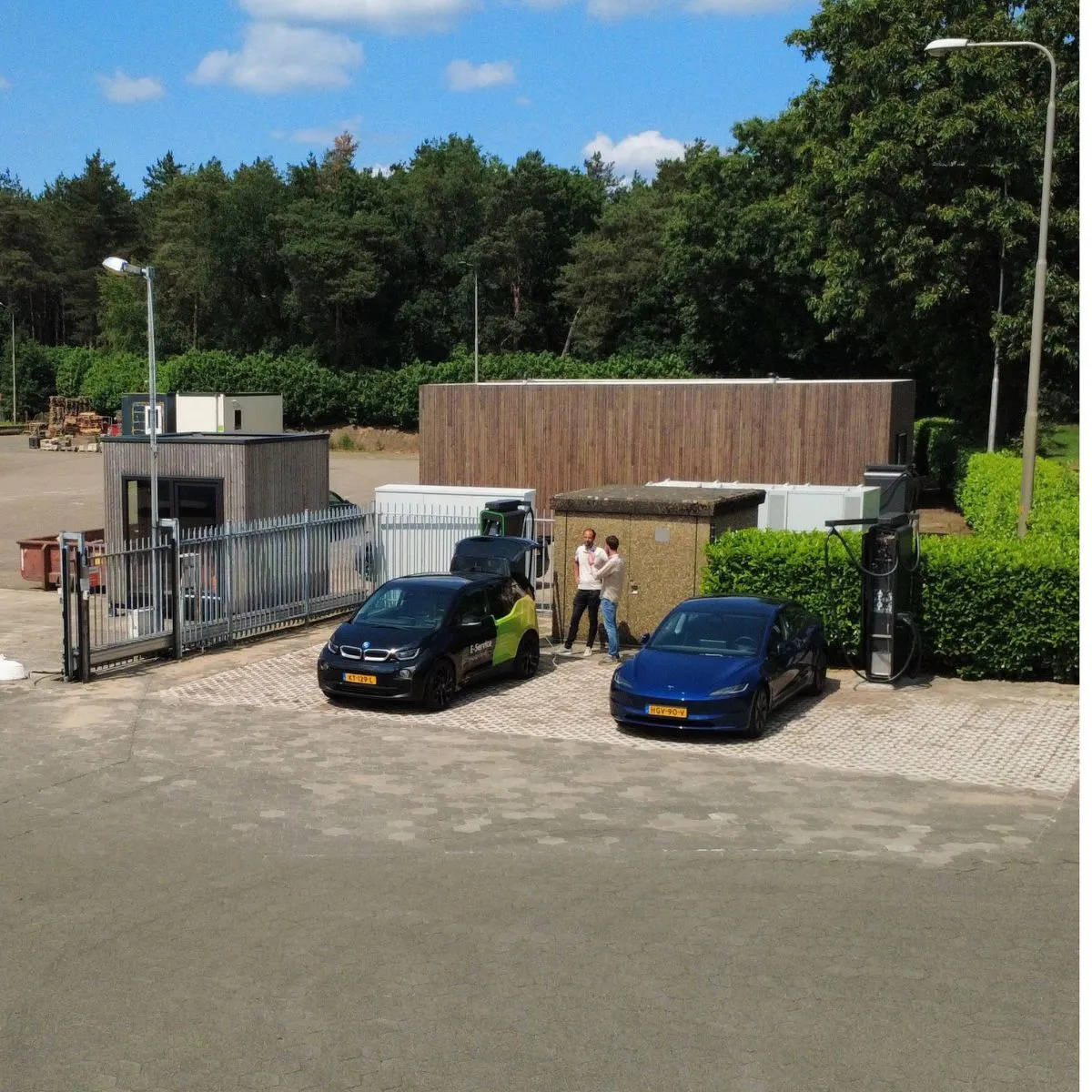
A good design is not enough.
Energy systems are becoming more complex. The integration of generation, storage, charging infrastructure, and grid management requires a layer that connects design and operations structurally. Without this layer, the EPC remains responsible for performance beyond their direct control. What's missing isn't better engineering. It's an integration layer between design and operations.
Design in control. With Zympler.
Zympler connects engineering and operations in one platform. Design based on real operational data. Standardization of energy and charging systems. A single integration layer across hardware and software. And a feedback loop that relays performance back to engineering. Not reacting to what goes wrong. Building on what actually happens.
One platform. One overview. Complete control.

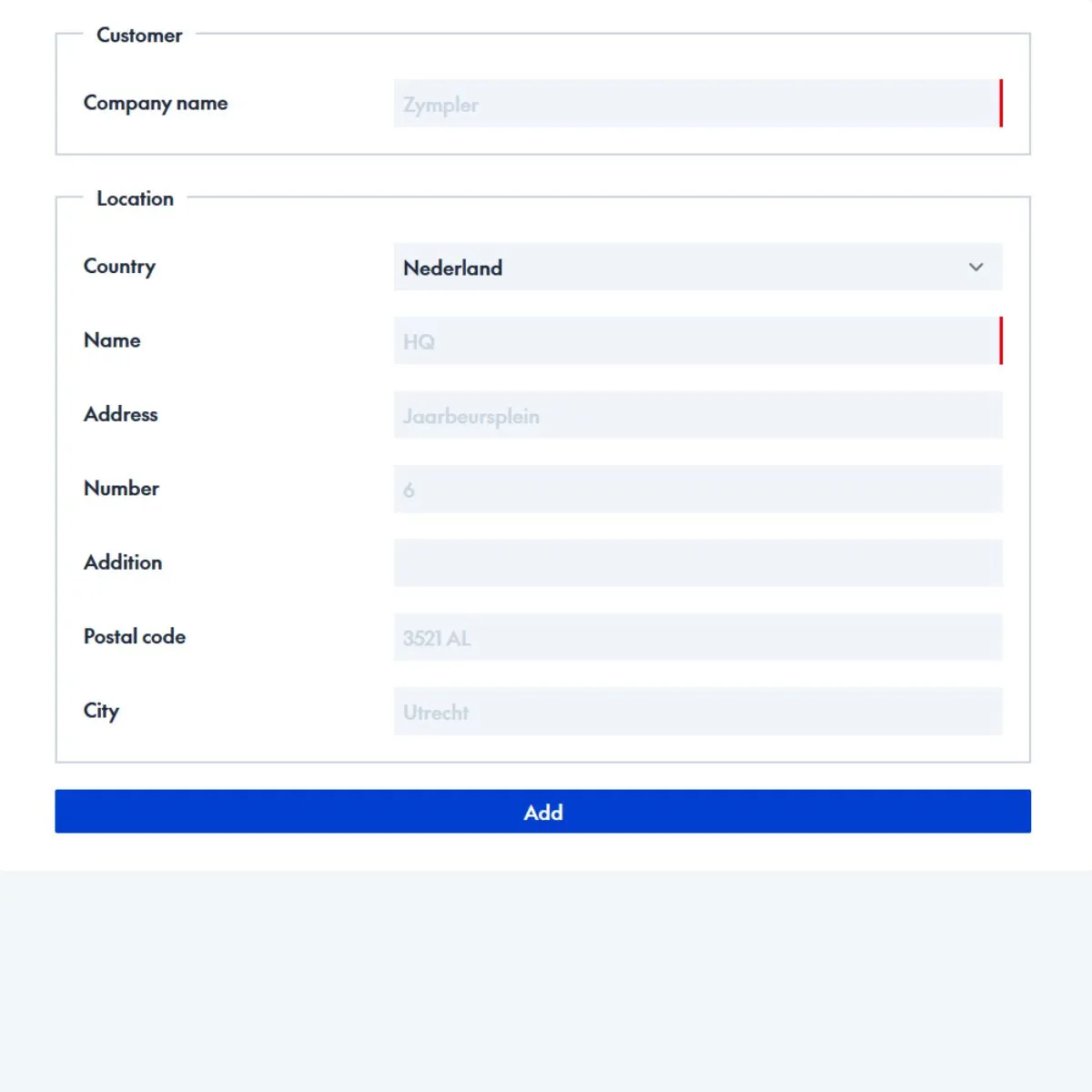

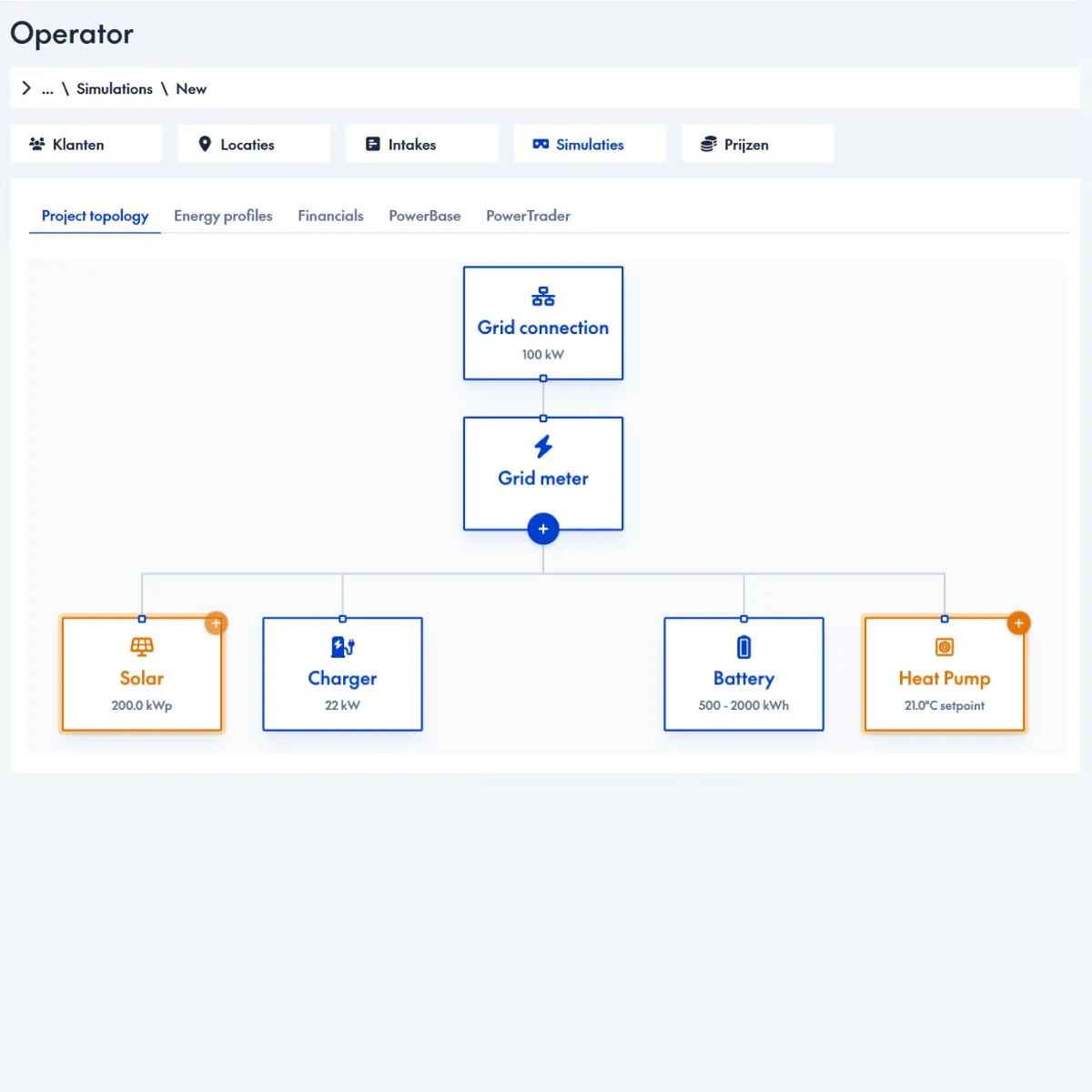
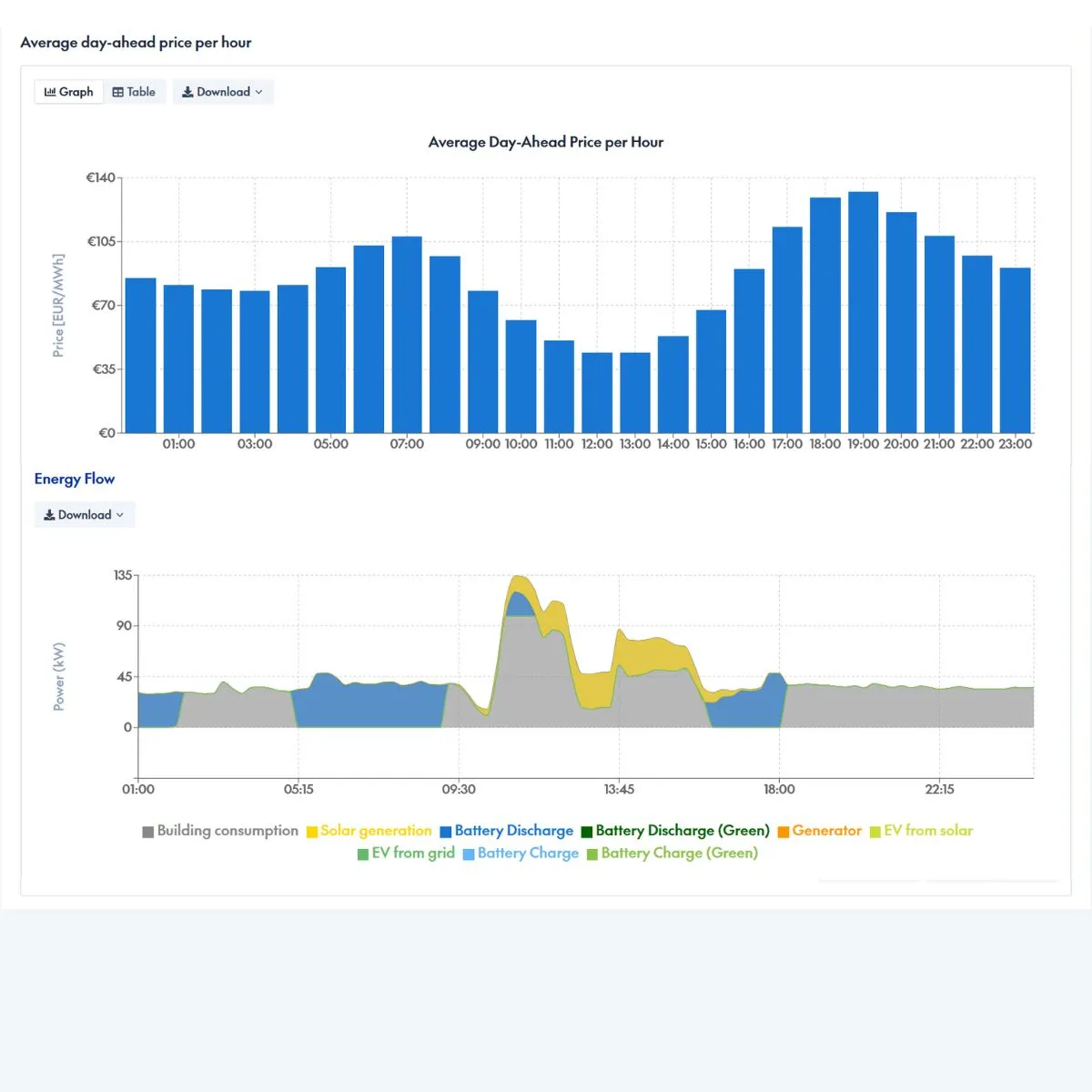
From fragmentation
to a single reliable foundation
Better designs through real-world data simulations
Operational data from previous projects replaces assumptions, ensuring every new design is based on what actually works.
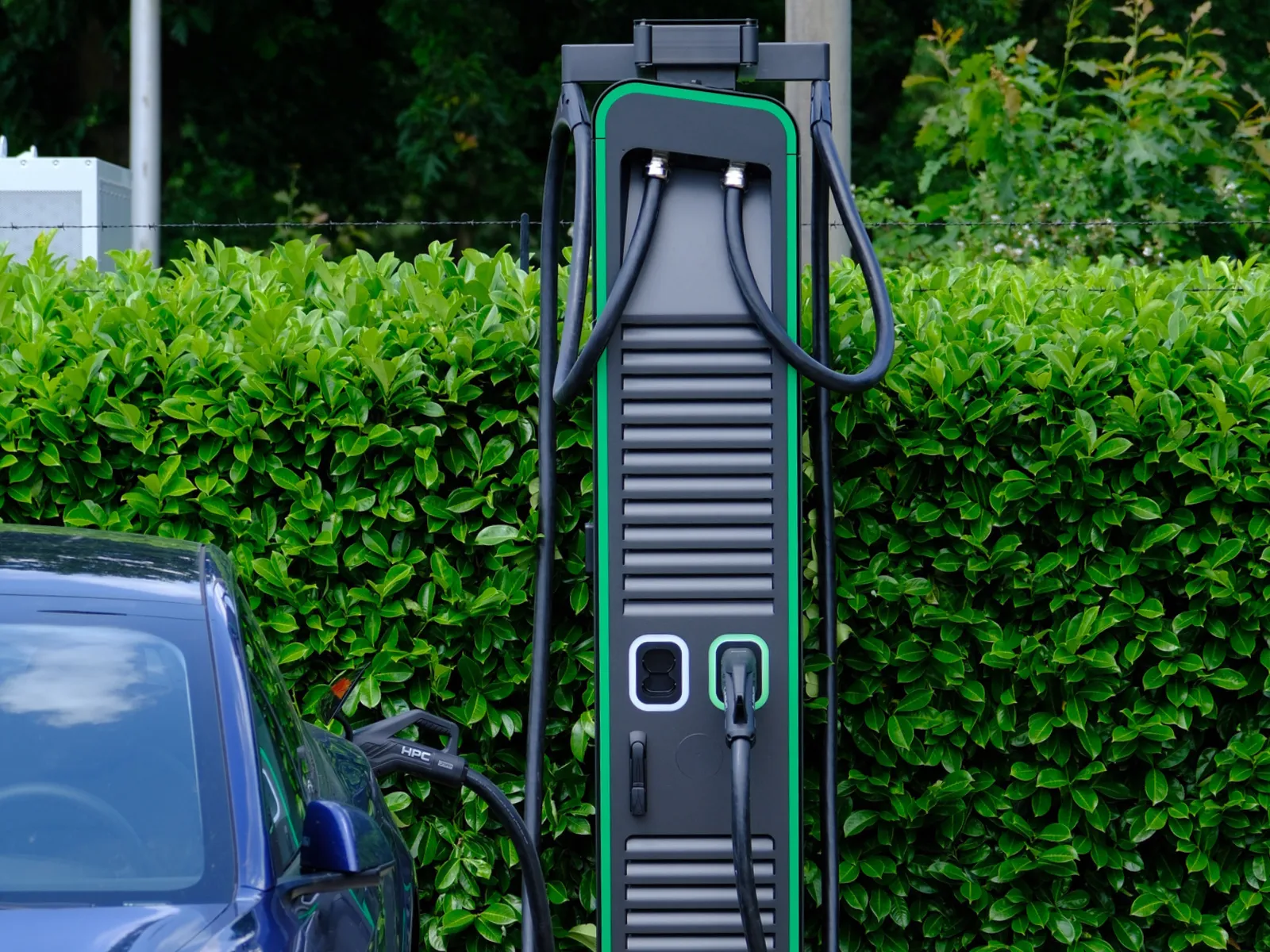
Less integration complexity, no operational surprises
Standardized integrations and proven configurations eliminate the surprises that normally only become visible after deployment.

Predictable performance, no empty promises.
You deliver more than an installation. You deliver a system whose performance you understand under any conditions.
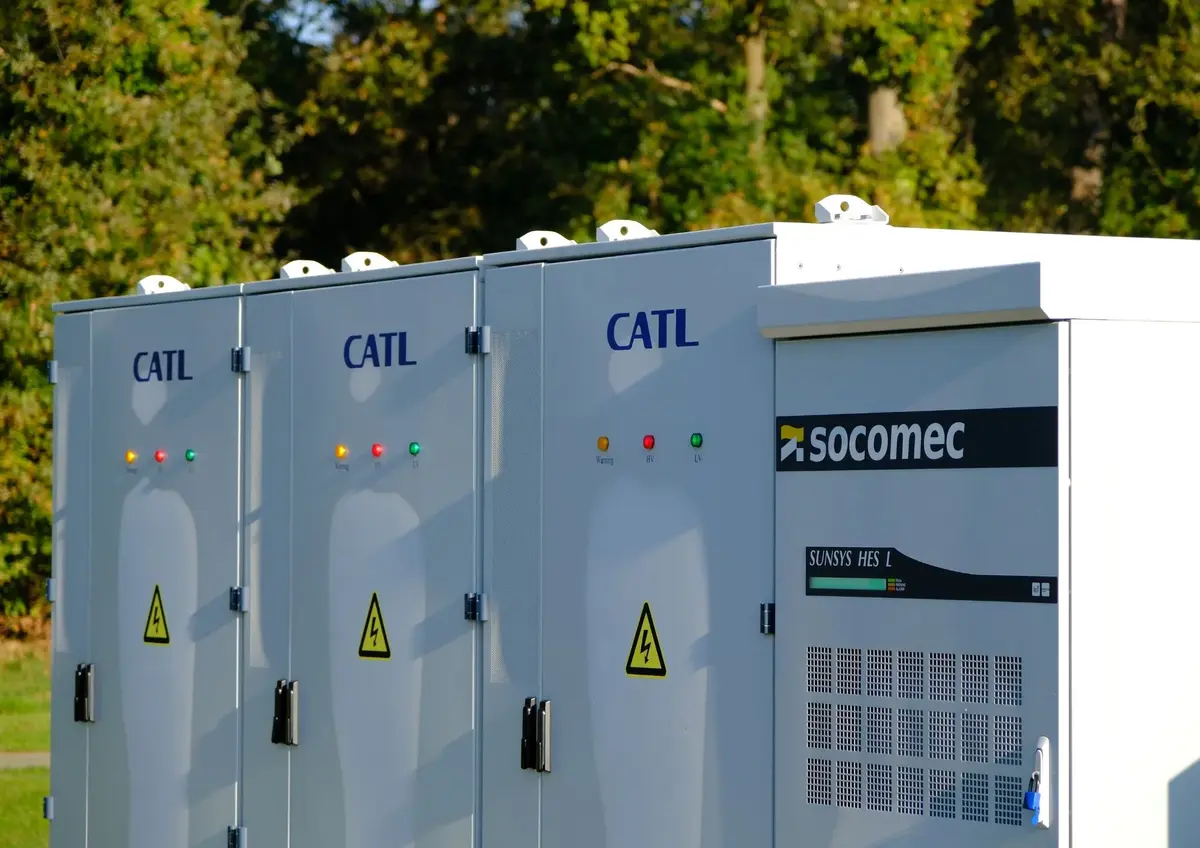
Scalable system standardization
What works at one site works at the next, because the approach, integrations, and configurations are standardized and repeatable.
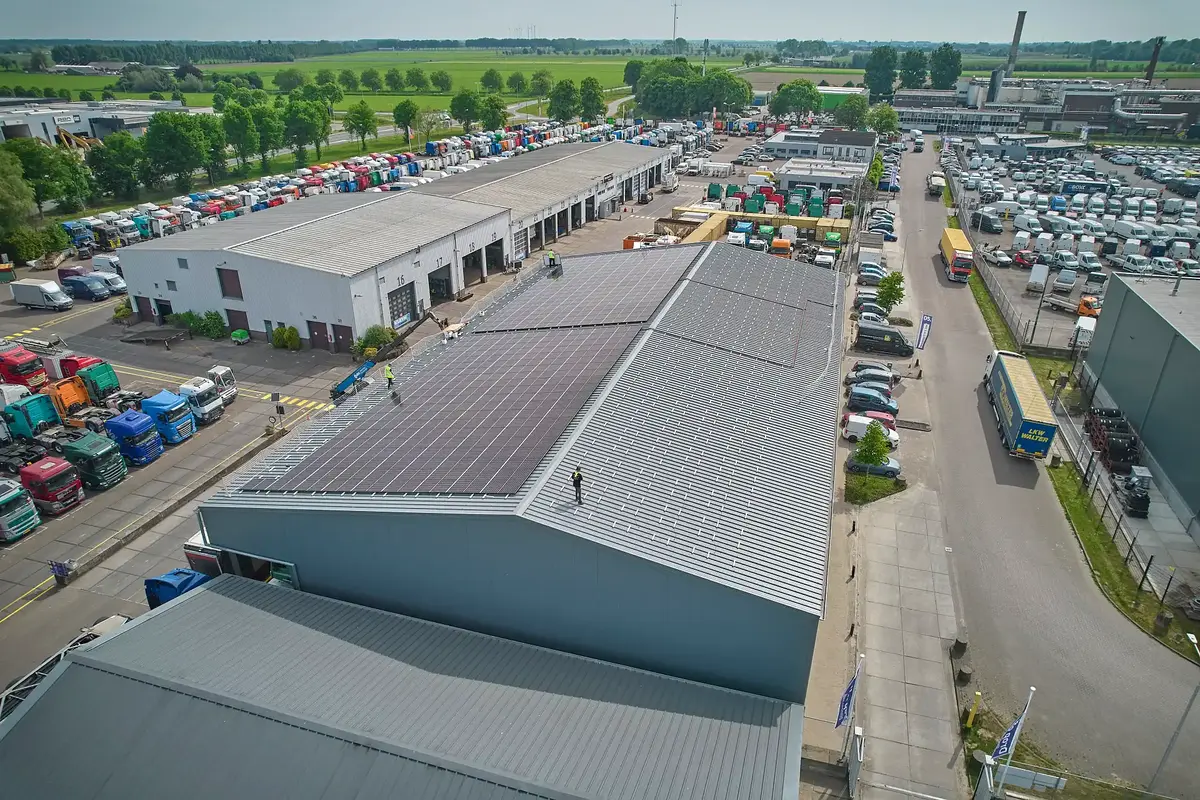
Stronger position as a system integrator
You no longer compete on price or speed, but on the certainty you can uniquely provide: an installation that performs as promised.
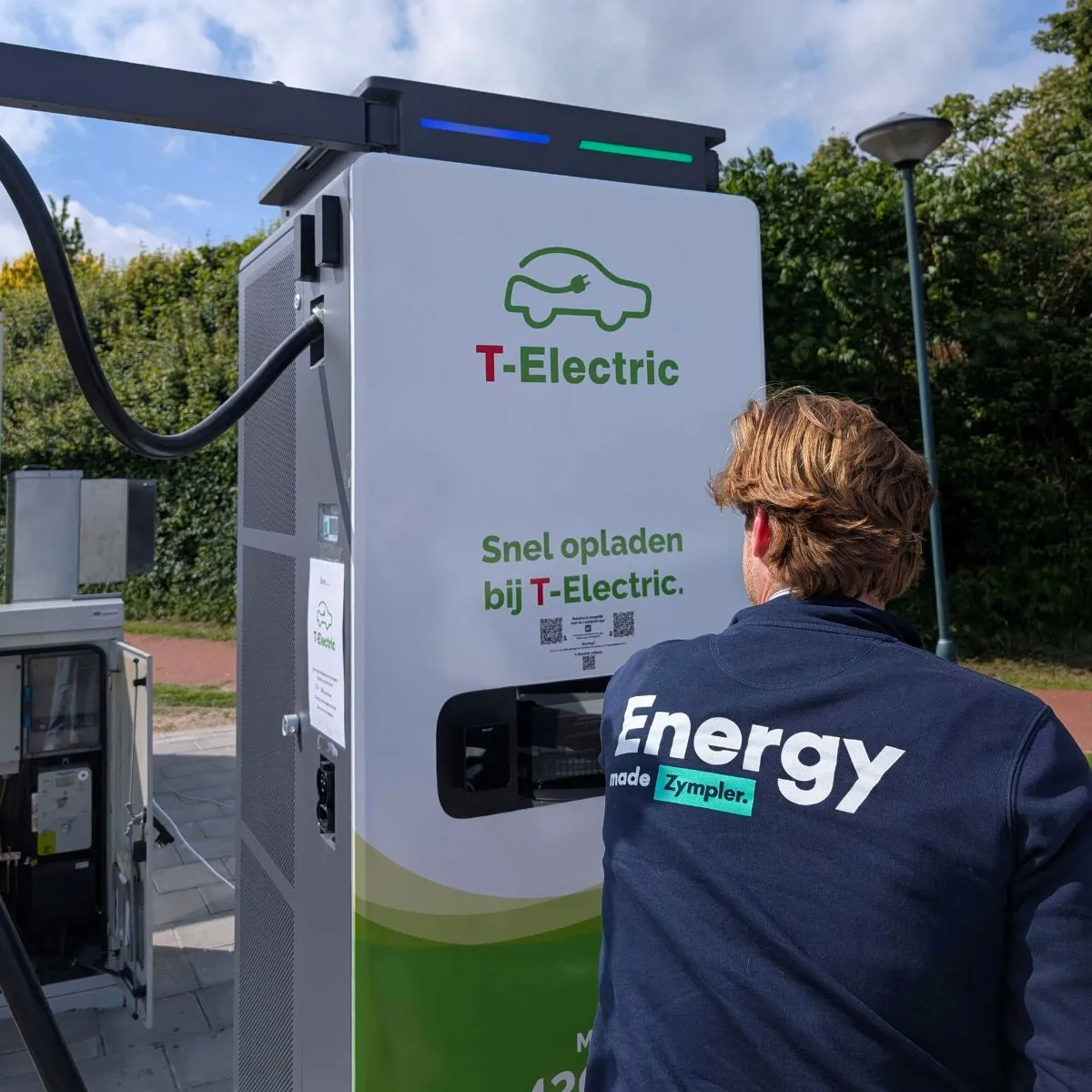
You don’t build projects. You design complex systems that perform in the real world.
.avif)
.avif)
.avif)


Want to know how Zympler turns your delivery into a success?
Most EPC projects are delivered, but not followed up. Zympler closes that gap with data, simulation, and continuous control, ensuring your projects perform as intended long after the final signature.