The big question in a market with so much potential;
how do you make the leap from CPO to Energy System Operator?
Because as a CPO, you don't want to build isolated charging points.
You want an integrated energy system that is continuously evolving, manageable across multiple locations, with fluctuating demand, dynamic energy prices, and that maximizes returns within its own limits. Instead of:

Different hardware, different vendors, different configurations. What works at one location doesn't automatically work at another, making management at scale a daily challenge.

Your energy data is in one system, your billing is another, and your operational insights lay somewhere in between. Without integration, you're making decisions based on a fragmented view.

Every new vendor, every new protocol, and every new location adds a connection that needs maintenance. Before you know it, you're no longer managing a network, but a patchwork of integrations.

You see what's happening at a single charging point, but not what that means for your network as a whole. Without that overview, you're managing details while missing the bigger picture.


What starts as an idea about growth and scale,
ends in unmanageable fragmentation.
You don't want to manage separate parts. You want to manage a network.
From charging station to energy company
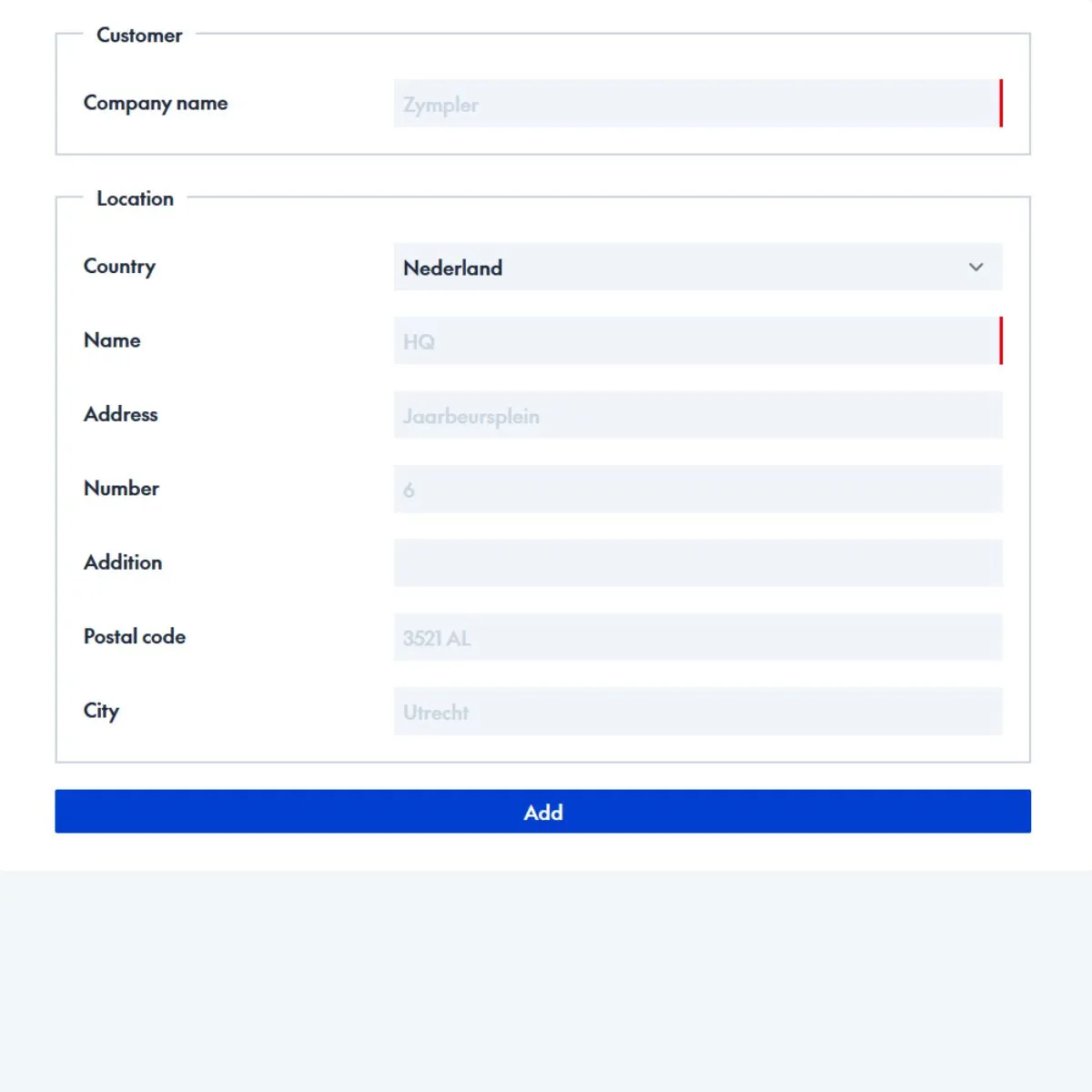
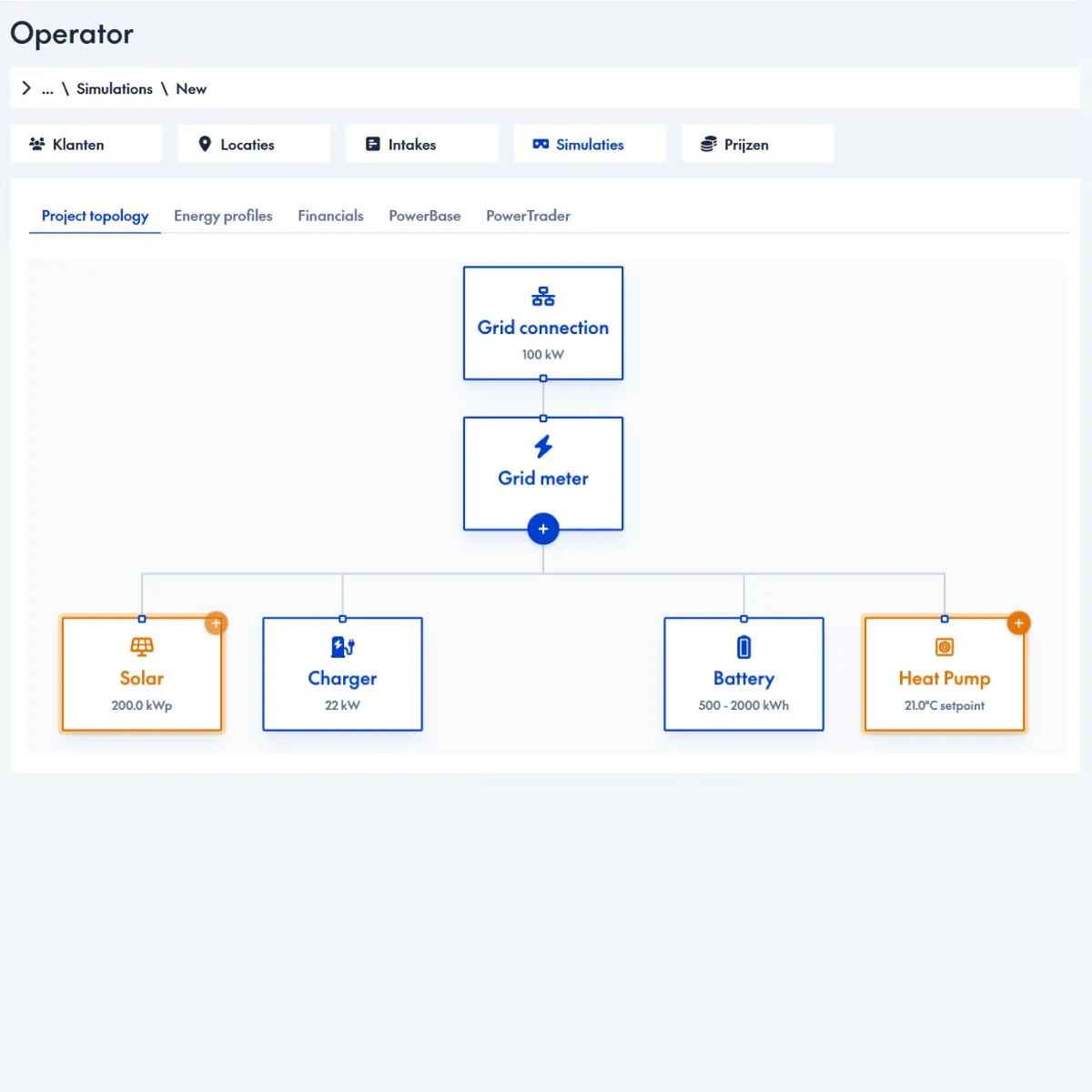
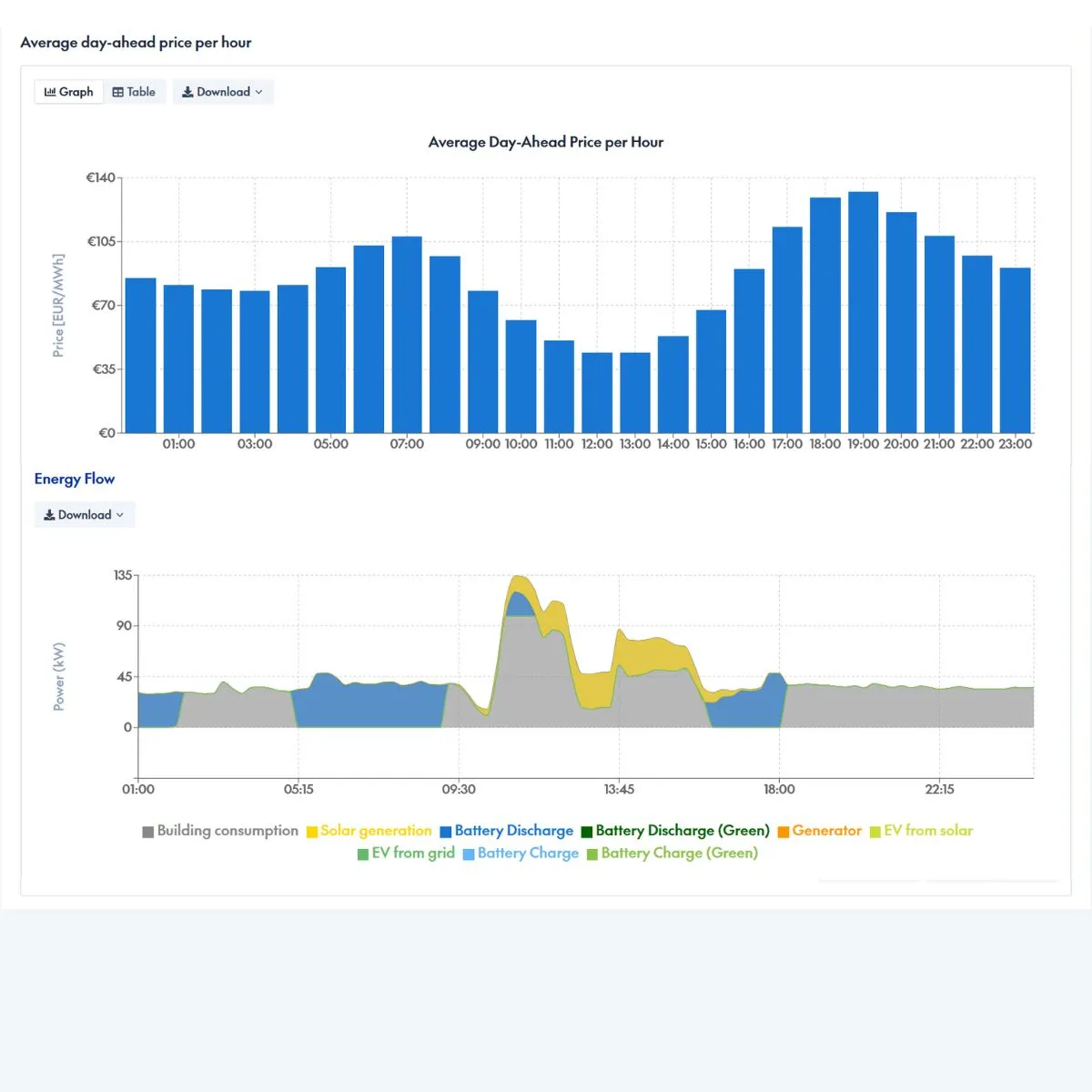
Without a single, central overview, you're operating on assumptions, not facts. Zympler connects charging stations, batteries, solar, and energy contracts into one cohesive whole, enabling you to tap into new markets and continue growing, especially during times of congestion.
More time for your network, less for your integrations
As an operator, you are already the linchpin between assets, locations, and customers. Zympler turns this position into an advantage: one platform that connects everything, allowing you to easily cross-sell and invest your time in network growth, not in the patchwork of disparate connections.
Problems are only visible when the customer is already experiencing them
By the time a fault or poor charging session appears on your radar, a customer has already experienced it.
You optimize locally, but lose at the network level
A charging point that performs well says nothing about your network as a whole. Without insight into the connections between locations, you miss the optimizations that truly matter.
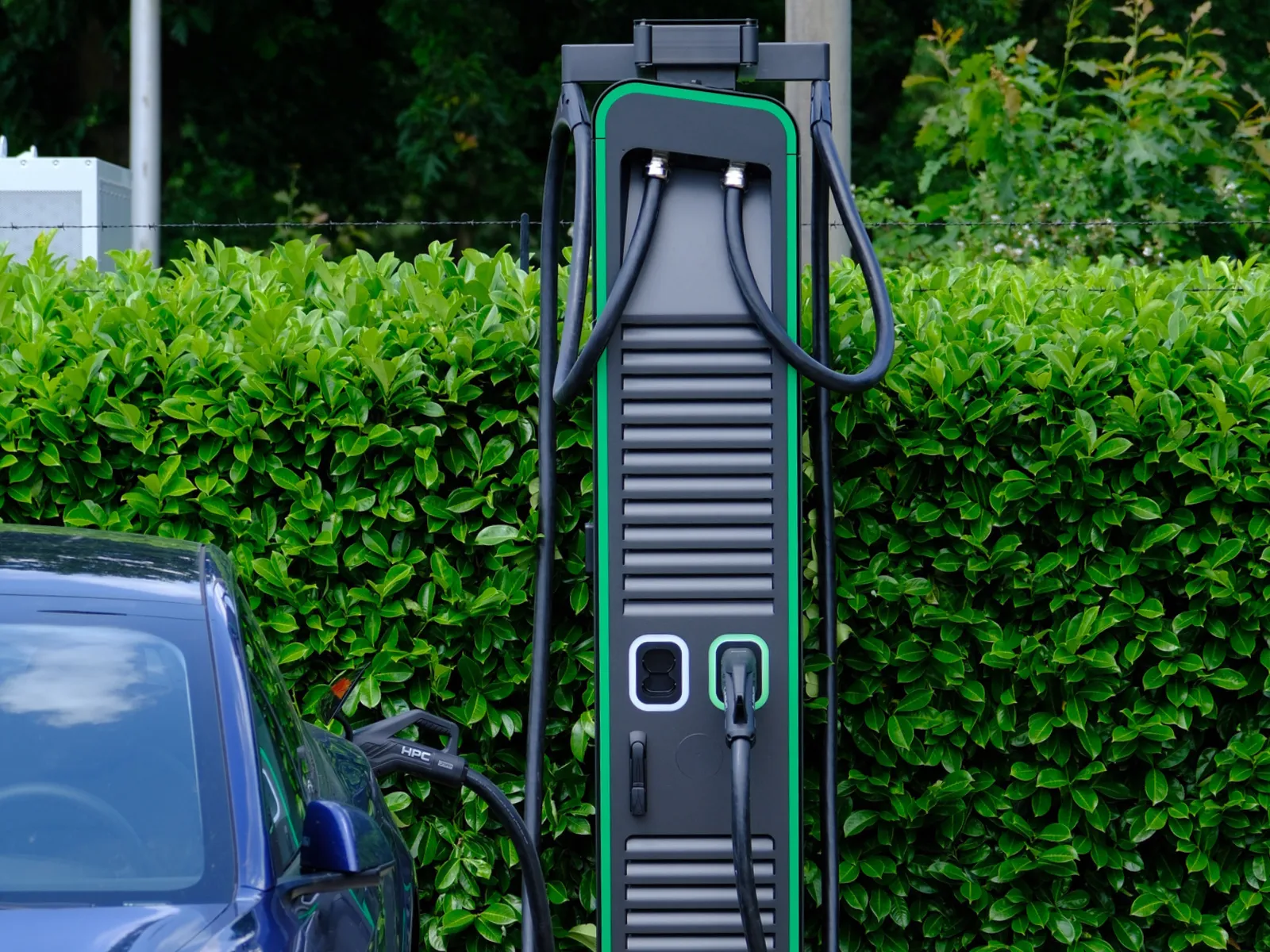
Growth means more complexity, not more control
Every new site adds systems, vendors, and dependencies. Without the right foundation, your complexity scales faster than your organization can handle.
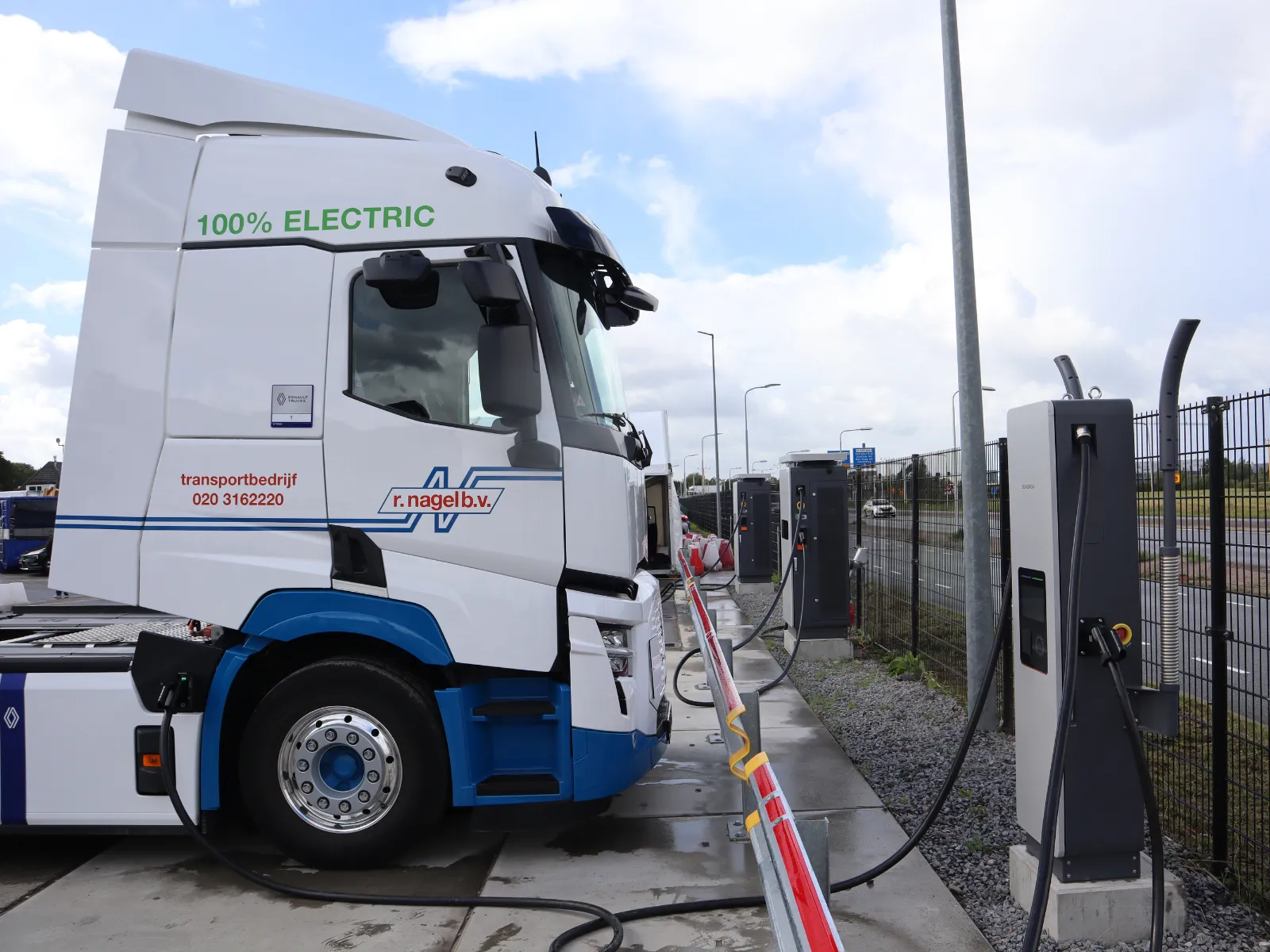
Every fault or poor charging experience directly results in dissatisfied customers.
In a market where public charging still needs to prove its reliability, every incident is one too many. Disappointed customers don't come back, and they spread the word.
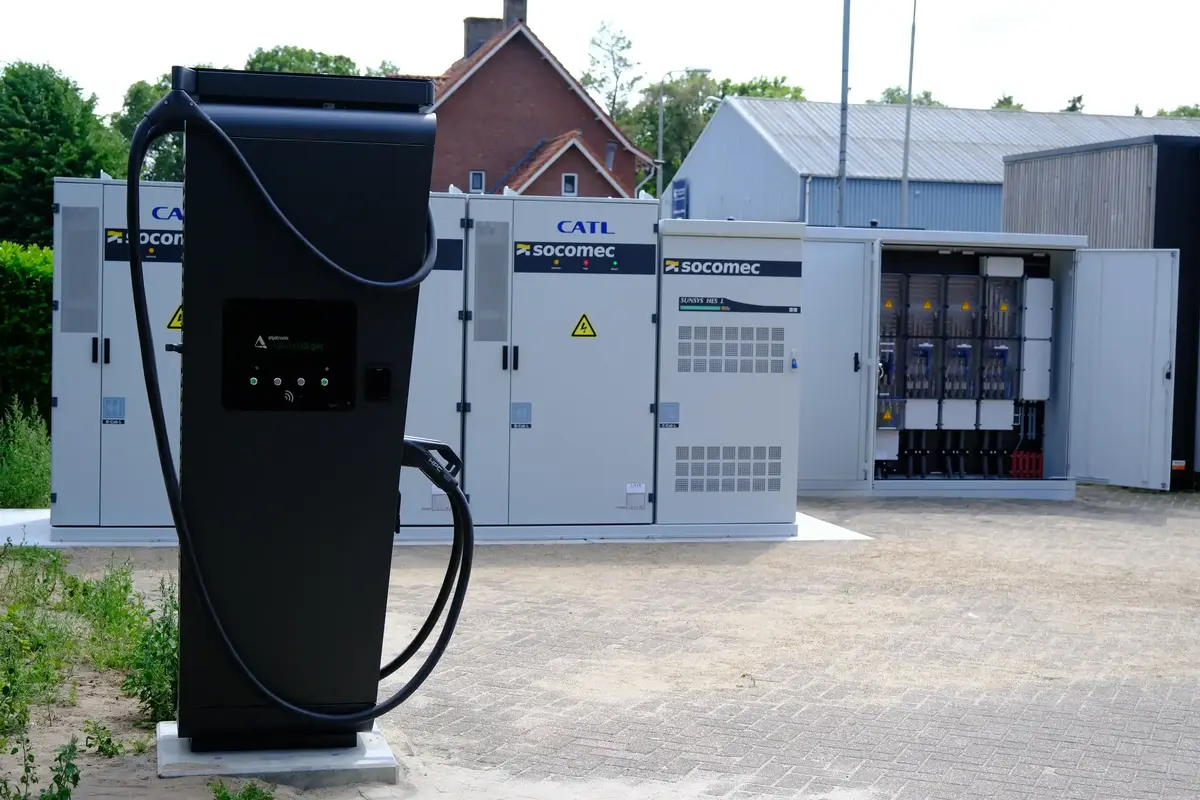
The real cost of fragmentation isn't technical. It's lost customers.
Every failed charging session, slow start, or downtime means lost trust from fleet customers, higher contract churn, pressure on support and operations, and reputational damage in a market where reliability is everything.
More tools don't make the network smarter. They make it more connected, but not integrated. What's missing is a single layer that controls and monitors the entire network.
Dissatisfied customers are not isolated incidents. They are a structural cost stemming from a lack of control.
From performance guessing
to certainty & control.
What you want is:
Control over your entire network
A single view of all locations, assets, and energy flows, in real-time. You always know what's happening, where it's happening, and what it means for your entire portfolio.
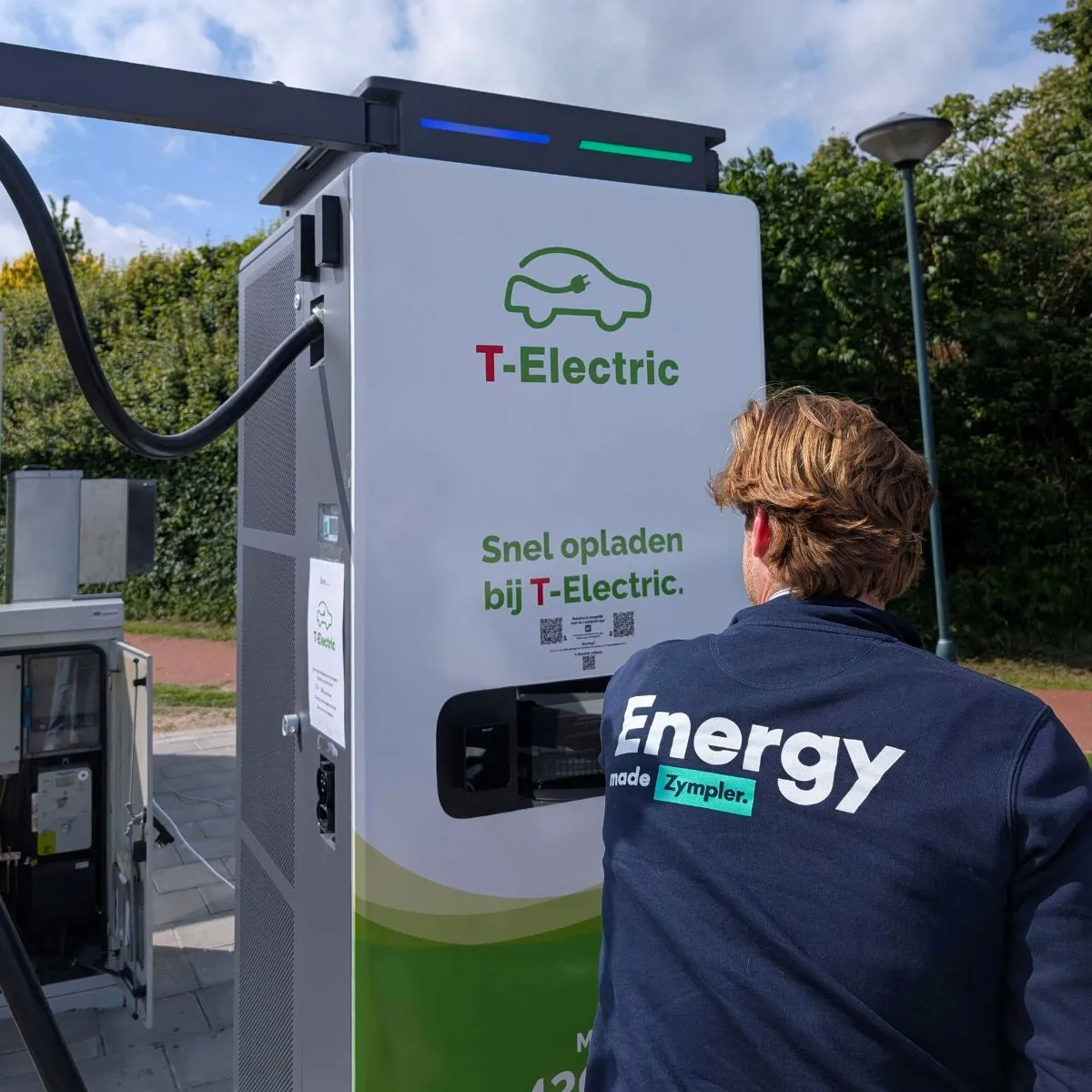
Reduced integration burden, increased scalability
Zympler connects your existing systems without requiring you to rebuild everything. Each new location adds value to your network instead of complexity to your organization.
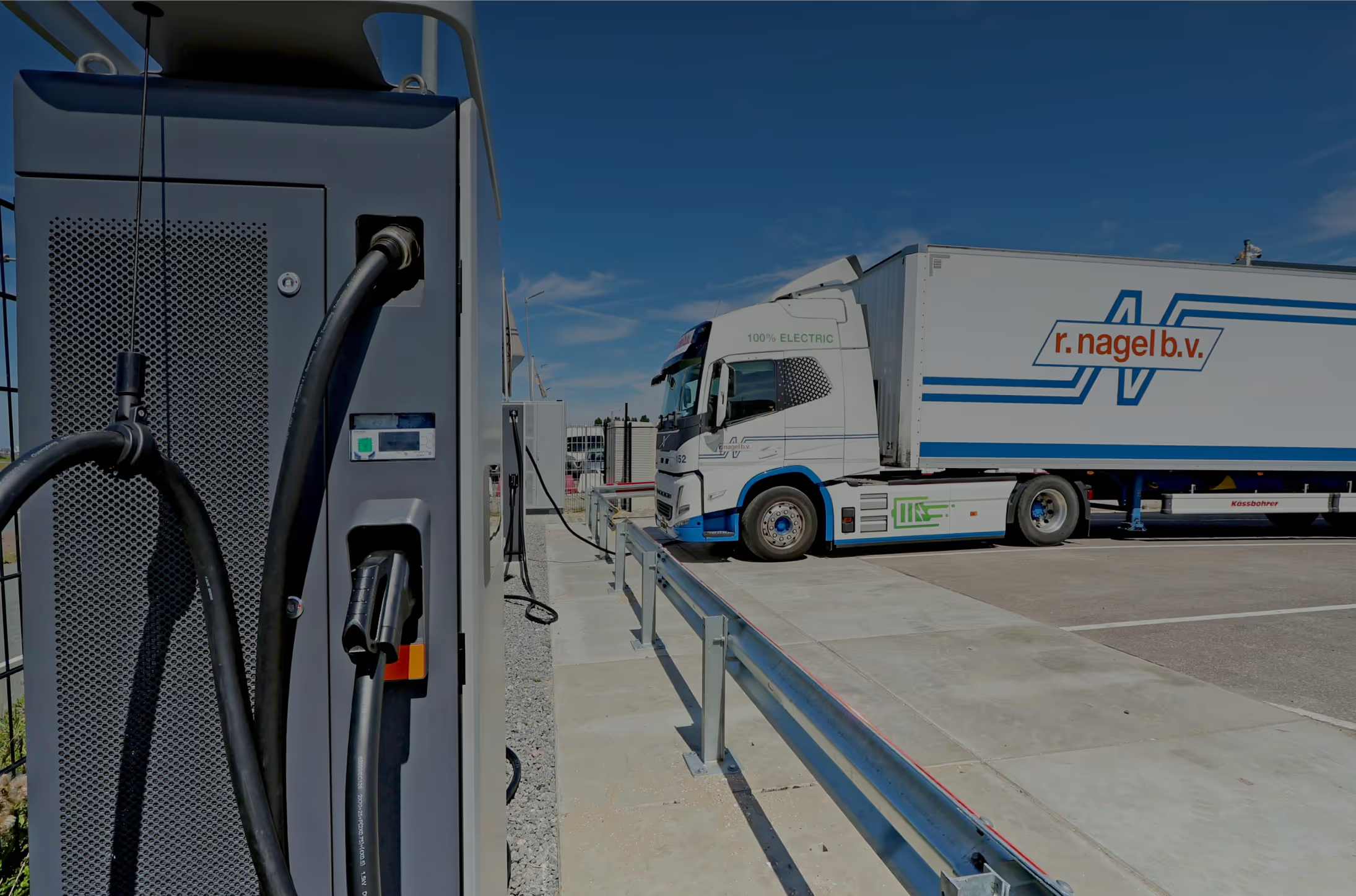
Increased performance predictability
Problems are addressed before a rider experiences them. Fewer disruptions, fewer failed sessions, and a network that delivers on its promises.
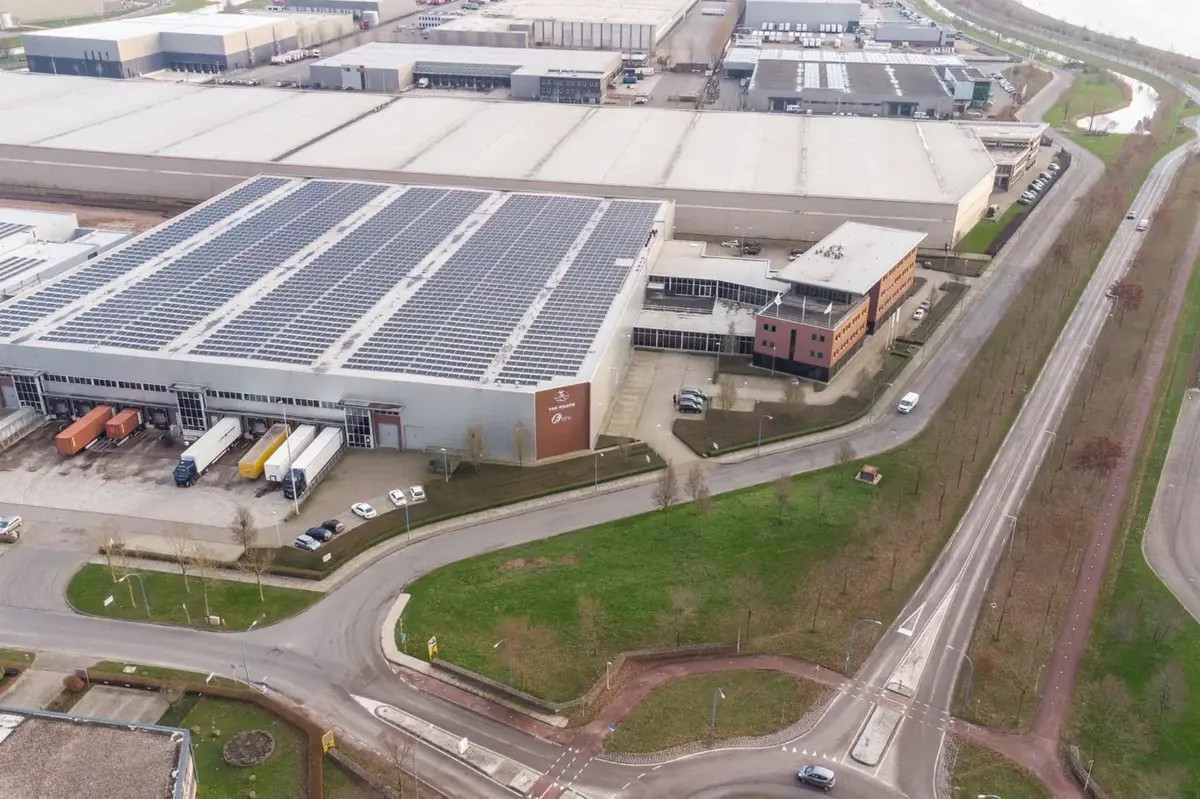
Lower operational costs per site
Smart energy management, less manual intervention, and better utilization of your infrastructure. Costs per site decrease without compromising quality or reliability.
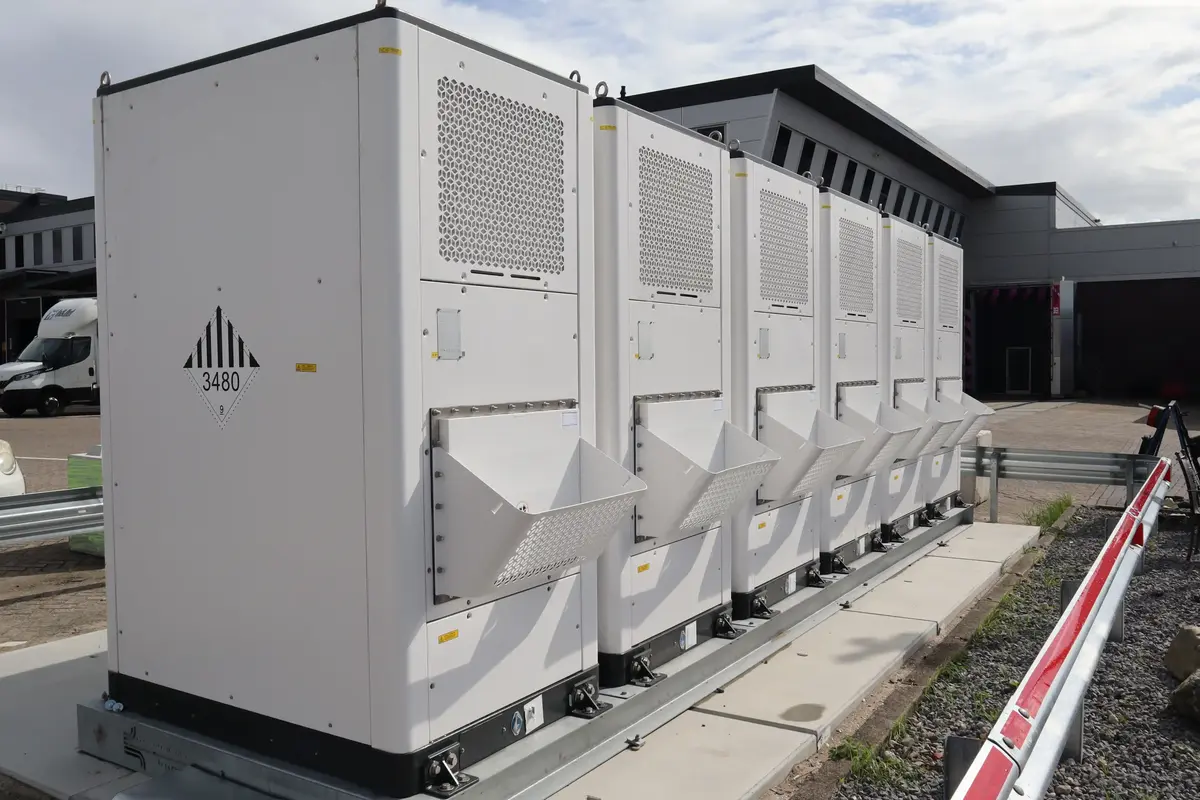
Growth without sacrificing service quality
More locations, more volumes, more complexity, but no less control. Zympler scales with your network, ensuring your service quality remains consistent at every point, no matter how large your portfolio grows.
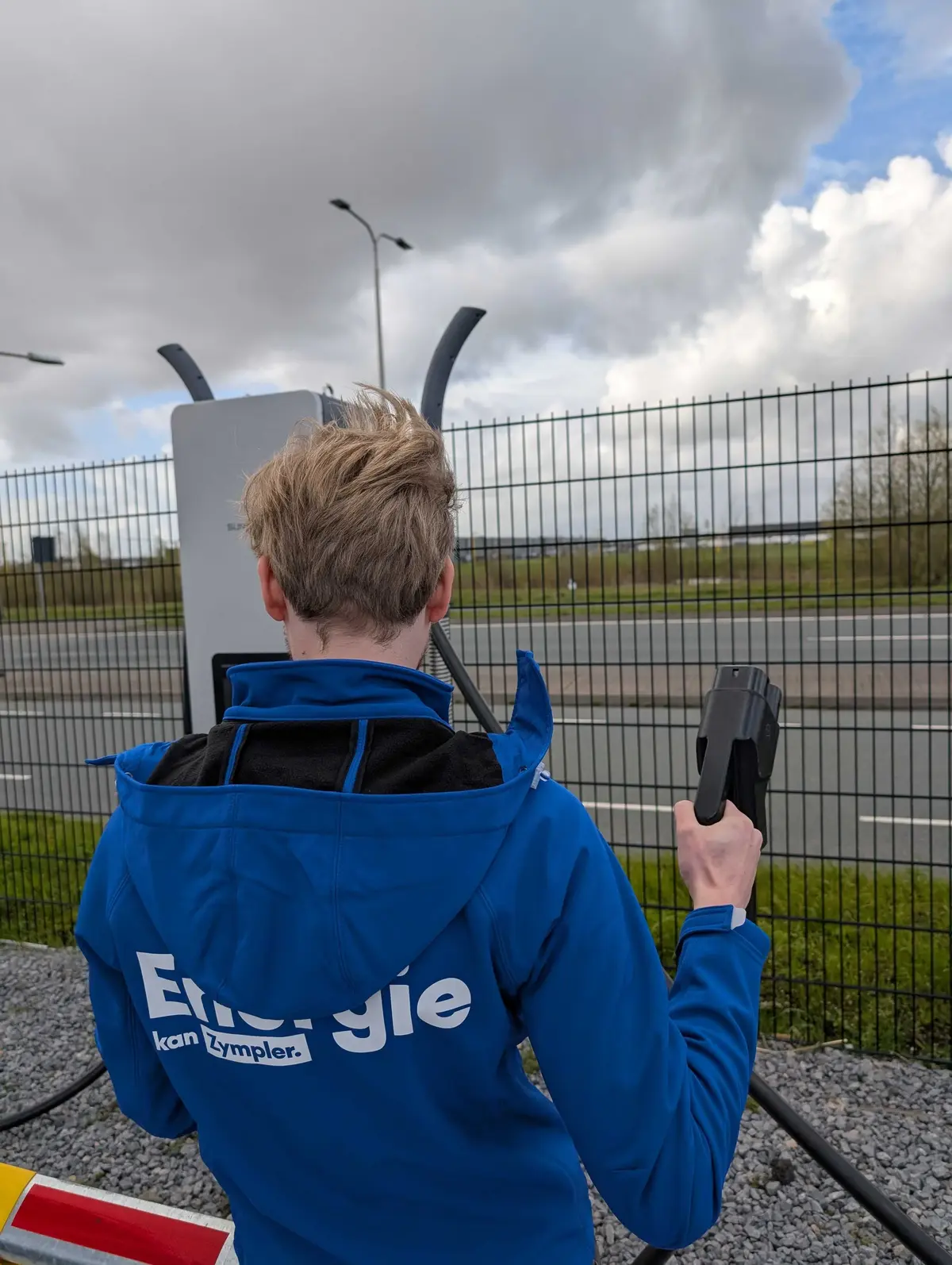
Fewer customer complaints, higher contract retention
A reliable charging experience is the best reason for a customer to stay. Consistent delivery builds the trust that leads to contract renewals and referrals.
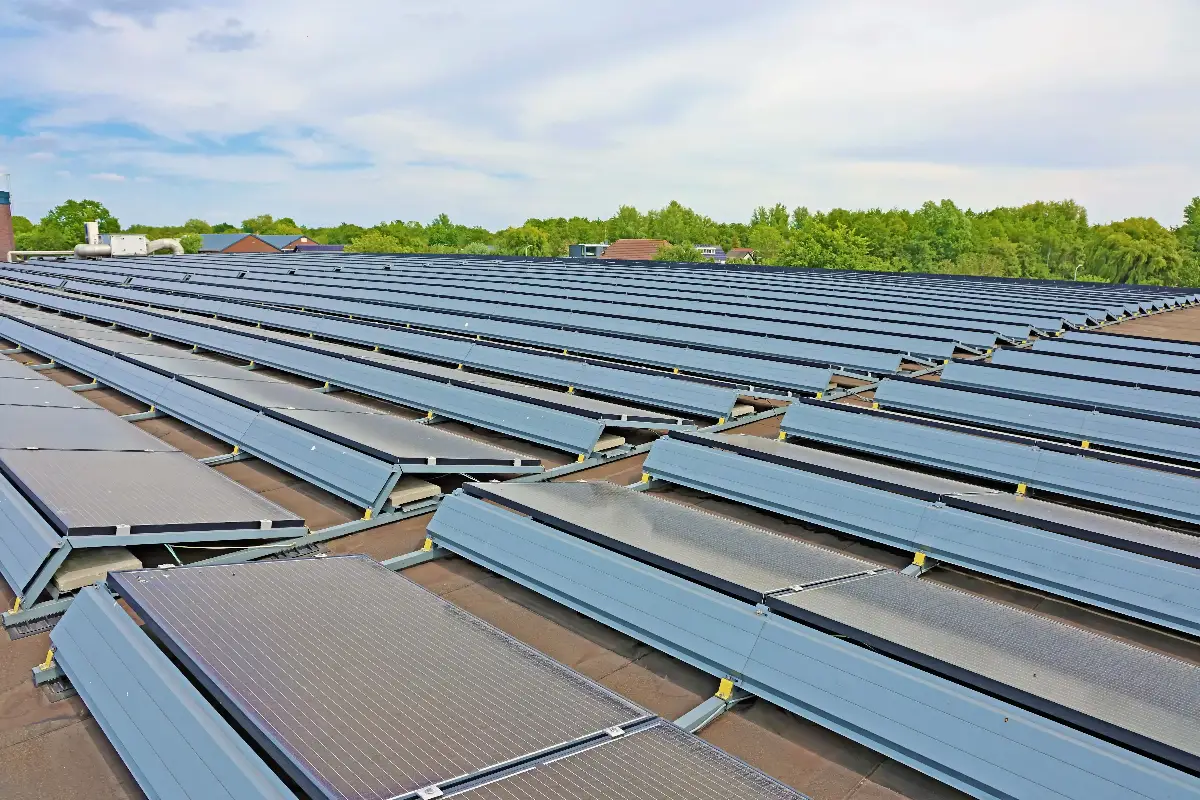
More tools don't make you smarter. What you need is integration, a single layer that controls and monitors the entire network.
.avif)
.avif)
.avif)


Want to know how to gain more control over your network?
Most networks operate below their potential without the operator fully realizing it. A network analysis reveals where your portfolio performance is leaving profit on the table and how to convert that into better uptime, lower costs, and stronger customer relationships.