The situation
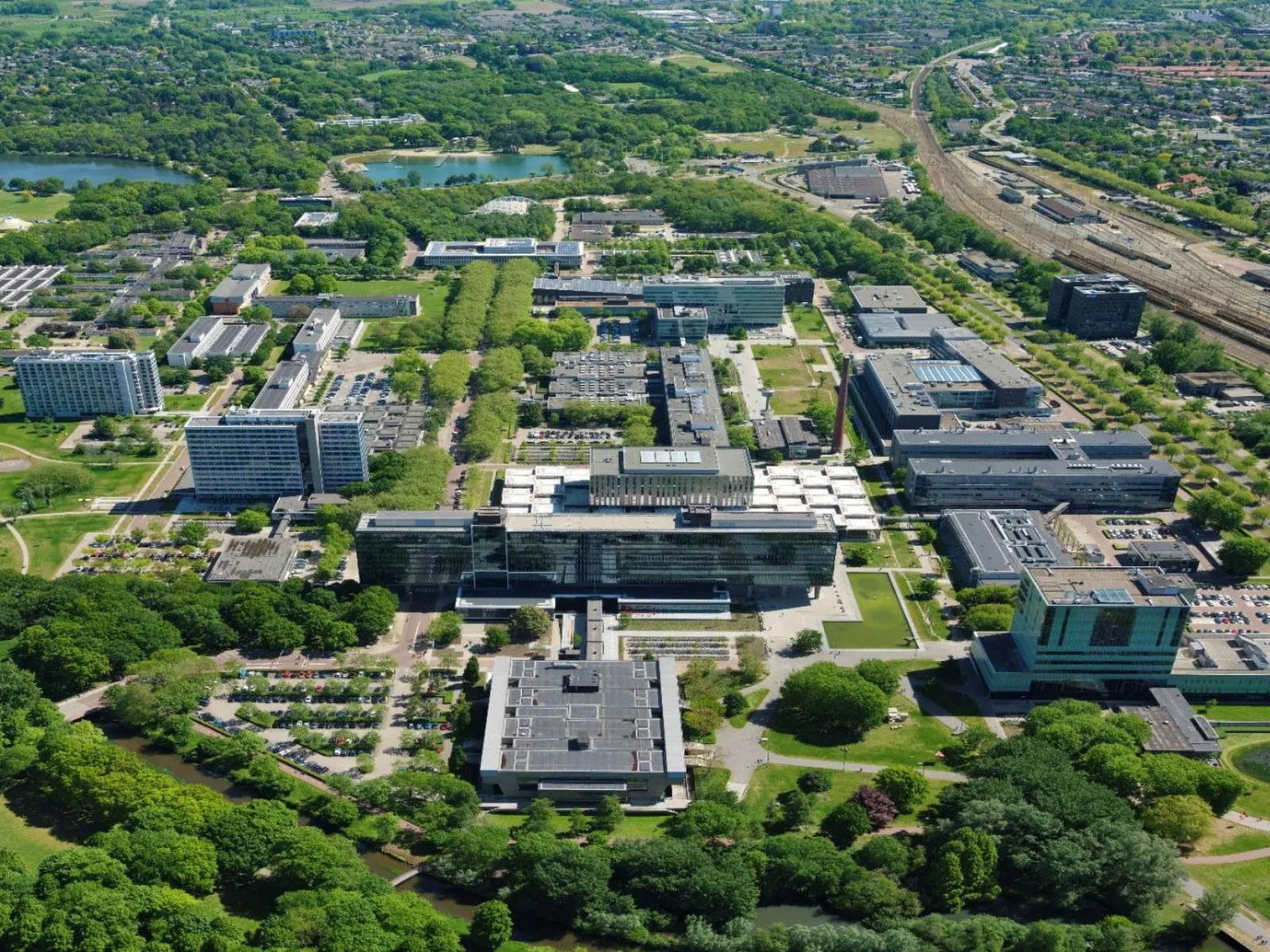
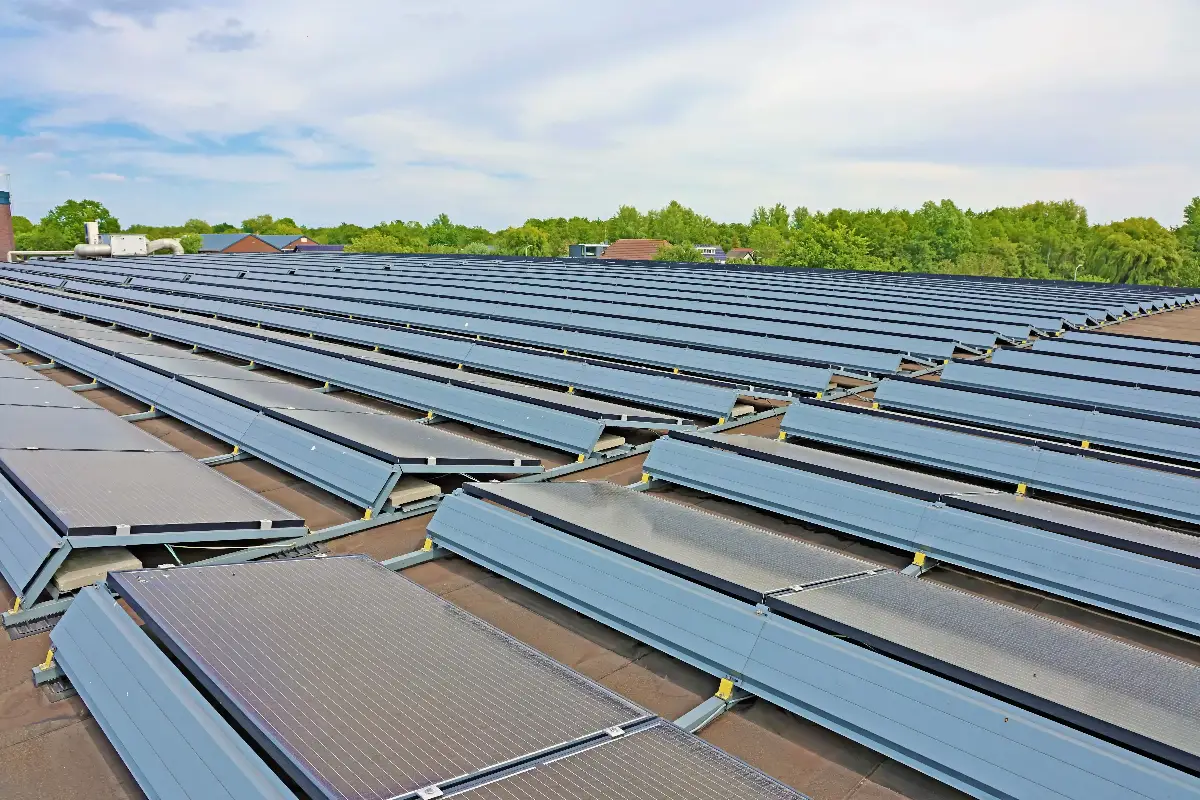
A complex campus topology with fragmented charging stations, solar panels, and heat pumps spread across multiple subnets and transformers falls under a single Administratively Consolidated Connection (ASA), which is consistently exceeded on cold winter days.
A battery used solely for peak shaving therefore leaves significant value untapped throughout the year.

Key challenges
Batteries, charging stations, and solar panels spread across the campus, all under one shared ASA connection that is exceeded on cold winter days when the heat pumps kick in.
Most systems keep the battery at 100 percent State of Charge all year round. That's safe but a waste. The challenge was to look ahead, charge smartly, and simultaneously profit from the energy market.
The battery had to supply energy to the campus while also serving as a test platform for Deep Reinforcement Learning research at TU Eindhoven, without these two objectives interfering with each other.

"While other EMSs let the battery sit idle, Zympler keeps it working all year."
TU Eindhoven and Zympler
Predictive peak shaving
Zympler predicts when heat pumps will generate additional demand and ensures the battery is fully charged at the best prices during those times, without unnecessarily keeping it at 100% charge throughout the year.
Trading outside peak windows
Outside of predicted peak periods, Zympler actively traded the battery on the electricity markets. This makes the business case realistic, with a payback period of 7 years.
Open platform for AI research
In collaboration with TU Eindhoven, during periods without peak shaving demand, the battery is made available for students and researchers to test Deep Reinforcement Learning algorithms in a real-world environment.

EIRES & Research Base
The Eindhoven Institute for Renewable Energy Systems (EIRES) supported the project with scientific insights from energy research, connecting system innovation, scientific research, and societal impact.
Why are Zympler and TU Eindhoven a good match?
The TU Eindhoven campus combines technical complexity with research ambitions, and Zympler delivers exactly that: an EMS that not only manages the complex topology but also provides the space to use the battery as a living laboratory. Both parties learn from each other, the campus recoups the battery's cost, and science benefits from a real-world testing environment.
With Zympler, TU Eindhoven manages a hyper-smart energy grid.

.avif)
.avif)
.avif)